S. 620: Veterinary Services to Improve Public Health in Rural Communities Act
This bill, titled the Veterinary Services to Improve Public Health in Rural Communities Act, aims to enhance public health vet services specifically for Indian Tribes and Tribal organizations. Here are the key components:
Purpose
The main goal of the bill is to provide veterinary services that help prevent zoonotic diseases, which are illnesses that can be transmitted between animals and humans. These services will be facilitated through the Indian Health Service (IHS), recognizing the interconnectedness of human, animal, and environmental health within the framework of a "One Health" approach.
Public Health Veterinary Services
The bill specifies various public health veterinary services that can be offered, including:
- Spaying and neutering services for domestic animals
- Diagnoses of animal health issues
- Surveillance for disease outbreaks
- Epidemiology studies
- Control measures for disease spread
- Preventive initiatives
- Elimination strategies for diseases
- Vaccination programs
- Other related activities to reduce risks of zoonotic disease transmission or antimicrobial resistance in humans and animals
Authorization for Funding
The Secretary of Health and Human Services will be authorized to allocate funds for these veterinary services in areas where zoonotic diseases are common. This funding can be managed directly or through established self-determination processes for Tribes.
Coordination with Health Authorities
In implementing these veterinary services, the bill allows for:
- The assignment of veterinary public health officers to the relevant service areas
- Coordination with key health organizations, including the Centers for Disease Control and Prevention (CDC) and the Department of Agriculture
Reporting Requirements
The Secretary will be required to submit a report every two years to several Congressional committees. This report will cover:
- The utilization of allocated funds
- The deployment of public health veterinary officers
- Data related to monitoring and disease surveillance
- Other services provided under this section
Feasibility Study on Rabies Vaccines
Additionally, within one year of the bill's enactment, the Secretary of Agriculture is tasked with conducting a study on the delivery of oral rabies vaccines to wildlife in Arctic regions. This study will assess:
- The effectiveness of these vaccines in wildlife
- Recommendations to improve the distribution of these vaccines to prevent rabies transmission to Tribal members
Emphasis on One Health Framework
The bill amends an existing law to include the Director of the Indian Health Service as a key participant in the One Health approach, reflecting the bill's focus on a holistic view of health that integrates human, animal, and environmental health strategies.
Relevant Companies
None found
This is an AI-generated summary of the bill text. There may be mistakes.
Sponsors
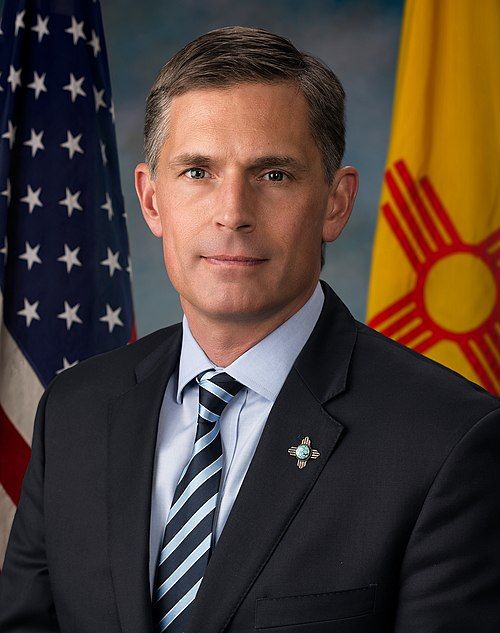
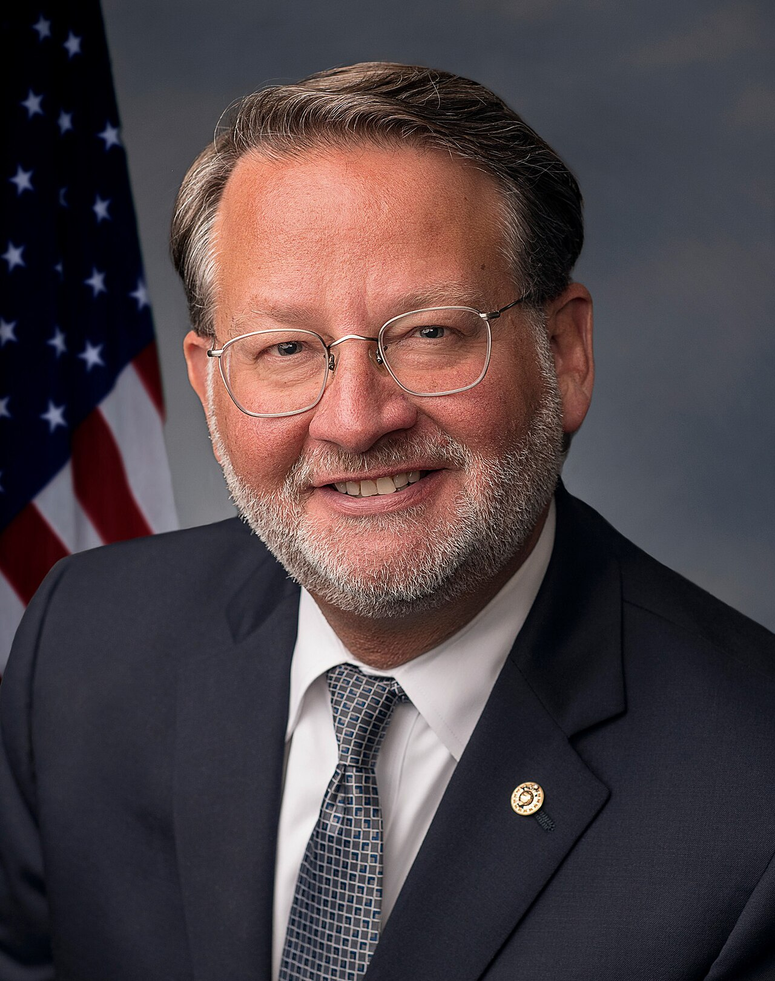
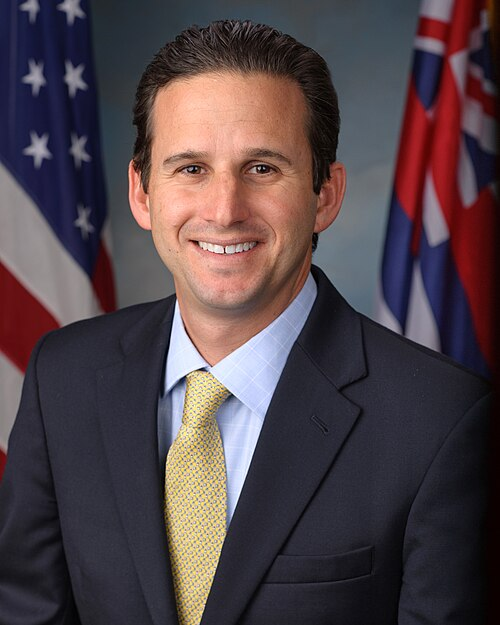
4 bill sponsors

Actions
7 actions
| Date | Action |
|---|---|
| Dec. 11, 2025 | Passed/agreed to in Senate: Passed Senate without amendment by Unanimous Consent. |
| Dec. 11, 2025 | Passed Senate without amendment by Unanimous Consent. (consideration: CR S8687; text: CR S8687) |
| Sep. 29, 2025 | Committee on Indian Affairs. Reported by Senator Murkowski without amendment. With written report No. 119-69. |
| Sep. 29, 2025 | Placed on Senate Legislative Calendar under General Orders. Calendar No. 174. |
| Mar. 05, 2025 | Committee on Indian Affairs. Ordered to be reported without amendment favorably. |
| Feb. 18, 2025 | Introduced in Senate |
| Feb. 18, 2025 | Read twice and referred to the Committee on Indian Affairs. |
Corporate Lobbying
0 companies lobbying
None found.
* Note that there can be significant delays in lobbying disclosures, and our data may be incomplete.
Potentially Relevant Congressional Stock Trades
No relevant congressional stock trades found.