H.R. 8682: Accelerating Forest Management Act
This bill, known as the Accelerating Forest Management Act, proposes several key actions related to forest management, particularly concerning the salvage harvesting of trees affected by disturbances. Here’s a breakdown of its main components:
1. Categorical Exclusion for Salvage Harvesting
The bill aims to simplify the approval process for certain forest management activities by categorizing them as exempt from detailed environmental reviews. It specifically designates salvage harvesting activities, which involve the removal of dead or dying trees, as categorically excluded from needing an environmental assessment or impact statement under the National Environmental Policy Act (NEPA).
2. Definition of Salvage Harvesting Activities
Under the bill, salvage harvesting activities include:
- Cutting, yarding, and removal of dead or dying trees due to disturbances like fire, insects, or disease.
- Cutting and removal of live trees necessary for operations such as road clearing.
- Chipping, grinding, or removing residual debris.
- Controlled burning to manage forest health.
- Seeding or planting efforts to help restore native vegetation.
3. Limits on Categorical Exclusions
For the salvaged areas to be eligible for this categorical exclusion:
- If a disturbance affects less than 3,000 acres of Bureau-managed lands, the salvage operation must not exceed 1,000 acres.
- If the disturbance exceeds 3,000 acres, the operation must not exceed the lesser of 5,000 acres or one-third of the disturbed area.
4. Road Construction and Maintenance Considerations
The bill allows for some road construction and maintenance to support salvage harvesting:
- Construction of up to 1 mile of new permanent road is allowed.
- Maintenance of existing roads can occur as needed.
- Temporary roads can be constructed under specific conditions, limited to a ratio of 2.25 miles per 1,000 acres harvested.
- Temporary roads must be decommissioned after use and designed to prevent environmental harm.
5. Resource Considerations and Disclosure
When actions fall under this categorical exclusion, the bill requires that certain resource considerations be addressed. These include:
- Management of dead wood and erosion control measures.
- Criteria for minimizing soil compaction.
- Prescribed burning operations.
- Preventing the spread of invasive species.
- Buffer zones for sensitive areas such as riparian zones.
6. Extension of Forest Ecosystem Health and Recovery Fund
The bill also proposes to extend the funding period for the Forest Ecosystem Health and Recovery Fund. It changes the expiration of this fund from 2020 to 2033, allowing for continuous financial support for forest health initiatives.
Relevant Companies
- PLG (Platinum Group Metals Ltd.) - Might benefit from increased demand for timber products.
- FCX (Freeport-McMoRan Inc.) - Potential impact on copper mining operations where forest management may overlap.
This is an AI-generated summary of the bill text. There may be mistakes.
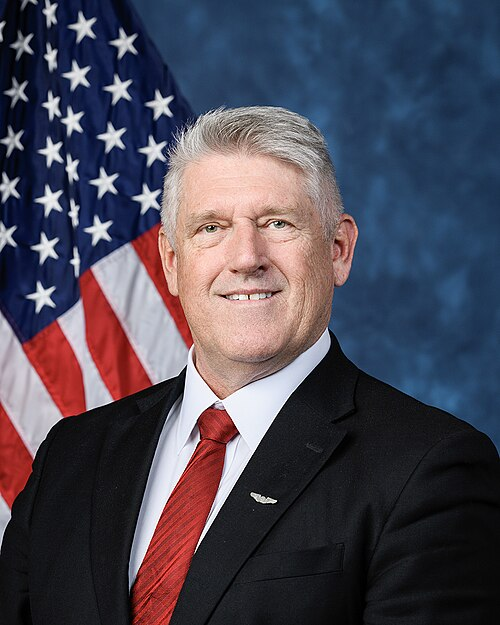
Sponsors
1 sponsor
Actions
4 actions
| Date | Action |
|---|---|
| May. 21, 2026 | Subcommittee Hearings Held |
| May. 12, 2026 | Referred to the Subcommittee on Federal Lands. |
| May. 07, 2026 | Introduced in House |
| May. 07, 2026 | Referred to the House Committee on Natural Resources. |
Corporate Lobbying
0 companies lobbying
None found.
* Note that there can be significant delays in lobbying disclosures, and our data may be incomplete.