H.R. 8100: Safe Staffing Saves Lives Act
The proposed legislation, known as the Safe Staffing Saves Lives Act, seeks to establish minimum staffing levels for nurses in skilled nursing facilities and nursing facilities participating in the Medicare and Medicaid programs, with the aim of improving patient care and safety. Here are the key provisions of the bill:
Establishment of Minimum Staffing Requirements
- Beginning January 1, 2029, skilled nursing facilities must provide at least 4.1 hours of nursing care per resident per day.
- This care must include:
- 1.3 hours from licensed nurses, with at least 0.75 hours from registered nurses and 0.55 hours from licensed practical nurses.
- 2.8 hours from nurse aides.
- Facilities are required to have a registered nurse on site 24 hours a day.
- The Secretary of Health and Human Services may set higher staffing levels than those outlined.
Waivers and Compliance
- Facilities that cannot comply with staffing requirements may apply for a waiver, provided they can demonstrate their inability to meet these standards based on workforce and wage data.
- Facilities with histories of serious deficiencies may be ineligible for a waiver.
- No facility may obtain more than two consecutive waivers.
Enforcement Mechanisms
- The legislation mandates increased survey frequency to ensure compliance with staffing levels.
- If a facility does not meet the minimum requirements, it may be subject to a standard survey within three months of the previous survey.
- Facilities found non-compliant may have restrictions placed on admitting new residents and will face audits.
- Payment for services to non-compliant facilities may be denied for new admissions.
Disclosure Requirements
- Facilities that do not meet staffing requirements must notify residents and their families, including posting notices at the facility entrances.
- Information regarding compliance will be made available on public websites like Nursing Home Compare.
Reporting and Review
- The Secretary of Health and Human Services will submit periodic reports (every five years) on the impact of the minimum staffing levels on safety and care quality, as well as recommendations for potential adjustments to the standards.
- Reports will include analysis of the effects on resident safety, quality of care, and staff retention.
Timeline for Implementation
- Most provisions would take effect on January 1, 2029.
- Some requirements regarding time-stamped facility staffing data will be implemented starting January 1, 2027.
Additional Provisions
- States are not prevented from setting higher staffing requirements than those outlined in the bill.
- Facilities may not transfer or discharge residents solely to meet staff requirements.
Relevant Companies
- HCA Healthcare (HCA) - As a large operator of healthcare facilities, HCA may need to adjust staffing practices to comply with the new standards, which could impact operational costs and staffing strategies.
- Tenet Healthcare (THC) - Similar to HCA, Tenet may face increased costs and operational changes to meet the new nursing staffing requirements in its facilities.
- Centene (CNC) - Depending on their role in providing Medicaid services through nursing facilities, compliance with staffing changes may affect their business operations and associated costs.
This is an AI-generated summary of the bill text. There may be mistakes.
Show More
Sponsors
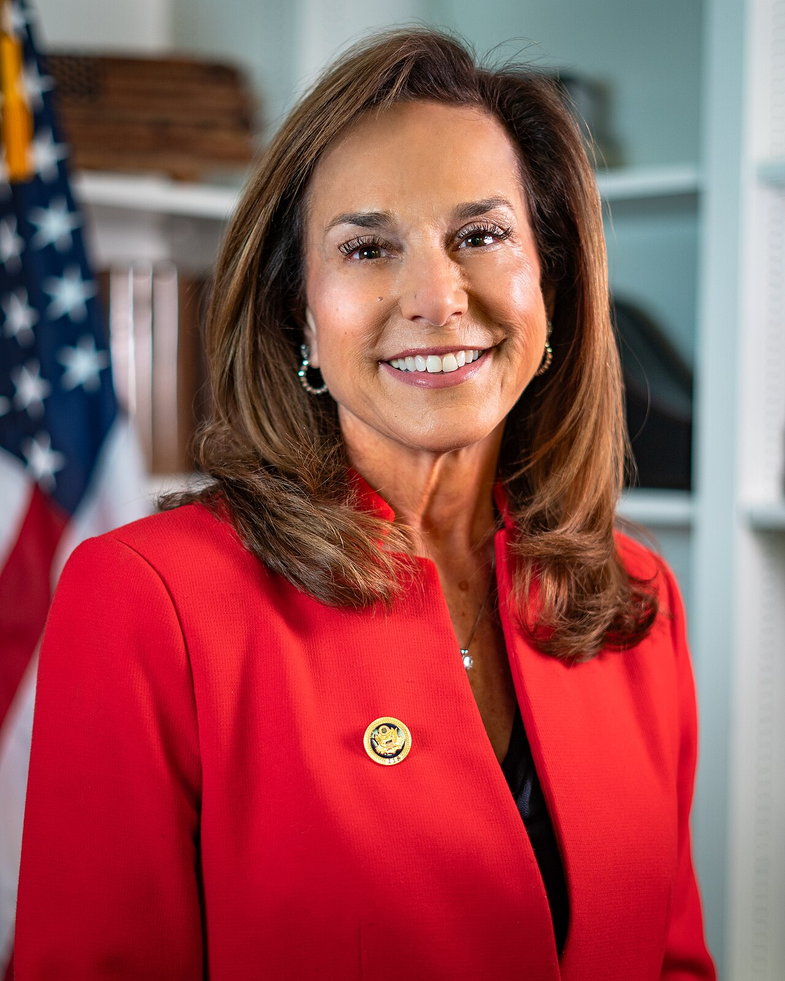
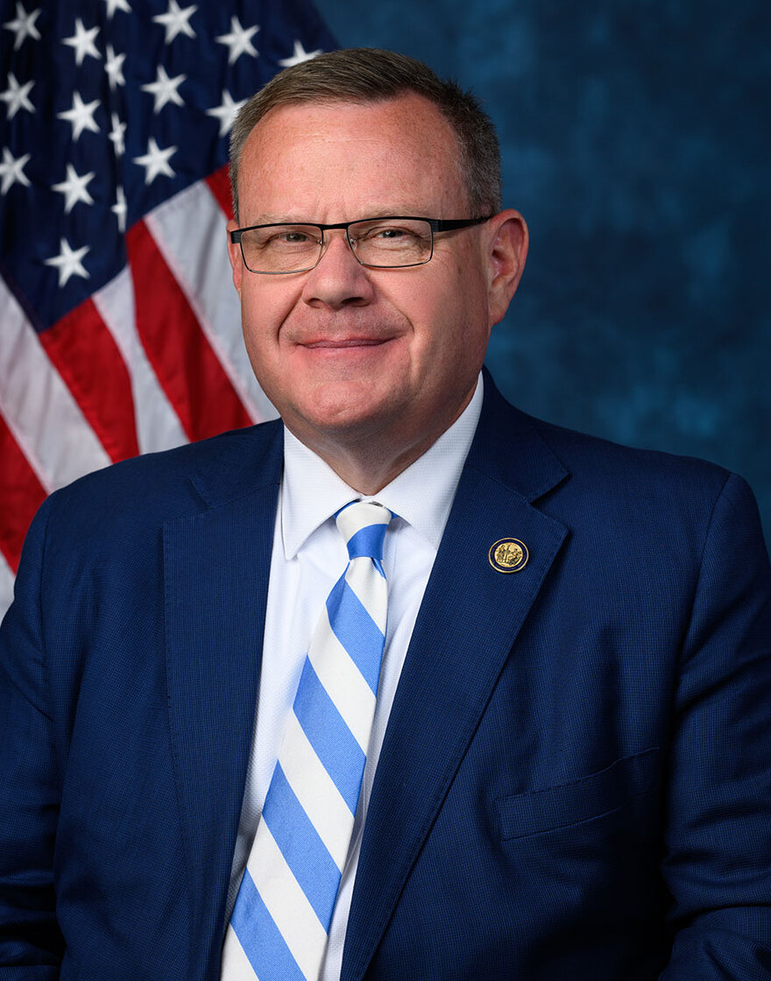
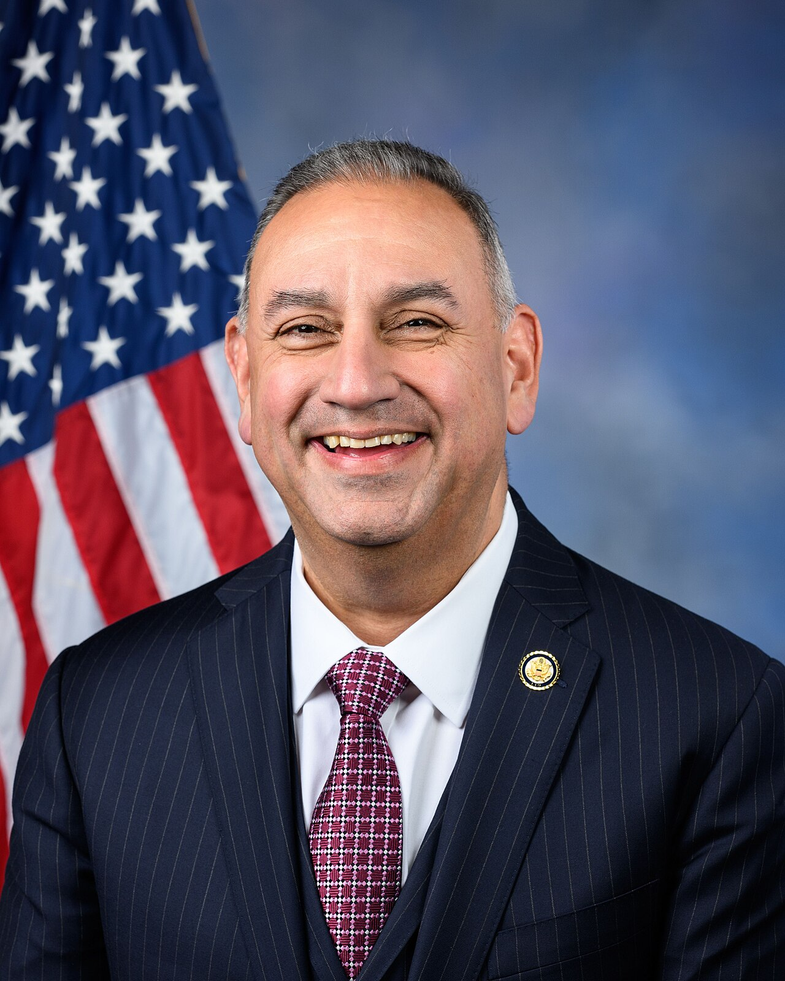
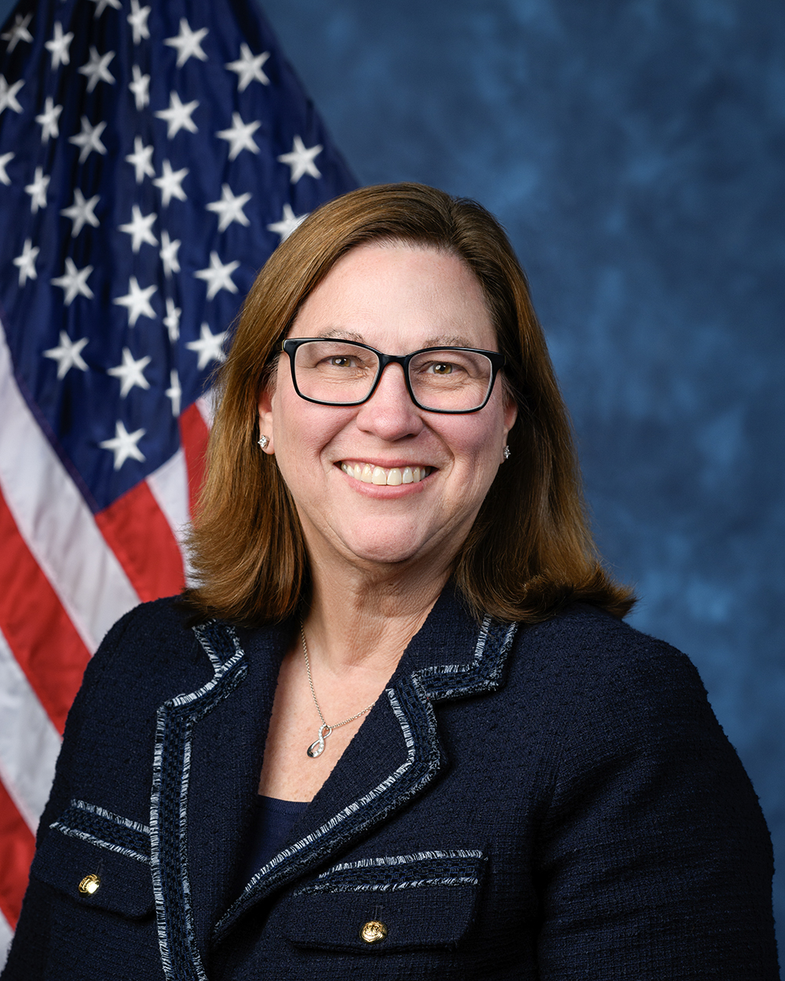
2 bill sponsors


Actions
2 actions
| Date | Action |
|---|---|
| Mar. 26, 2026 | Introduced in House |
| Mar. 26, 2026 | Referred to the Committee on Ways and Means, and in addition to the Committee on Energy and Commerce, for a period to be subsequently determined by the Speaker, in each case for consideration of such provisions as fall within the jurisdiction of the committee concerned. |
Corporate Lobbying
0 companies lobbying
None found.
* Note that there can be significant delays in lobbying disclosures, and our data may be incomplete.
Potentially Relevant Congressional Stock Trades
Estimated excess return of the underlying stock since the transaction