H.R. 8094: AI Foundation Model Transparency Act of 2026
This bill, titled the AI Foundation Model Transparency Act of 2026
, aims to enhance transparency in the development and deployment of artificial intelligence (AI) foundation models. Here is a breakdown of its main components:
Purpose
The bill mandates that the Federal Trade Commission (FTC) establish regulations to make information available to the public about the training data and algorithms used in AI foundation models.
Requirements for Transparency
Within one year of the bill's enactment, the FTC must create requirements for covered entities—organizations that develop or provide these foundation models. The regulations must include:
- Improving transparency regarding:
- Training data
- Documentation
- Testing and data collection during use
- Operations of the foundation models
- Covered entities are required to submit specified information about each foundation model to the FTC, as well as make certain details publicly available.
- The FTC will define how this information must be presented, ensuring it is accessible in both human-readable and machine-readable formats.
- There will be provisions to allow compliance through publication of information in broader documents like model cards.
Information to Include
According to the regulations, the following information must be disclosed about each foundation model:
- A summary of sources and collection methods of training data.
- A description of the training data's size and composition, including demographic information.
- Data governance procedures and intended uses of the model.
- Information about performance evaluation, especially in high-risk areas like healthcare, national security, and education.
- Computational power used for training and operating the model.
Exemptions
The bill states that fully open-source models are exempt from these regulations.
Support for Small Entities
To assist small and new businesses in complying with these regulations, the FTC will:
- Provide guidance and machine-readable templates.
- Allow a grace period of three months for new entities before penalties apply.
- Offer technical assistance during this grace period.
Central Resources
The FTC will also establish a web page with recommendations on transparency for developers that are not covered entities.
Redaction of Sensitive Information
Covered entities are permitted to redact sensitive information to protect security, privacy, and compliance with federal laws. Any redactions must be briefly identified and justified.
Implementation Timeline and Updates
The regulations will become effective 90 days after they are promulgated, and the FTC must review and update the requirements at least annually.
Enforcement
Violations of the regulations will be treated as violations of the Federal Trade Commission Act, giving the FTC the authority to enforce compliance and impose penalties. Entities will be notified at least fourteen days before any enforcement action takes place.
Definitions
Key definitions in the bill clarify terms such as "foundation model," "covered entity," "training data," and others relevant to the enforcement of the bill.
Relevant Companies
- GOOGL (Alphabet Inc.): As a major player in AI, Alphabet may need to comply with new transparency regulations for their AI models.
- MSFT (Microsoft Corporation): Microsoft, with its significant AI integration across products, would likely be affected by the transparency requirements.
- OND (OpenAI): As a developer of foundational AI models, OpenAI would be directly required to follow the transparency guidelines set by this bill.
This is an AI-generated summary of the bill text. There may be mistakes.
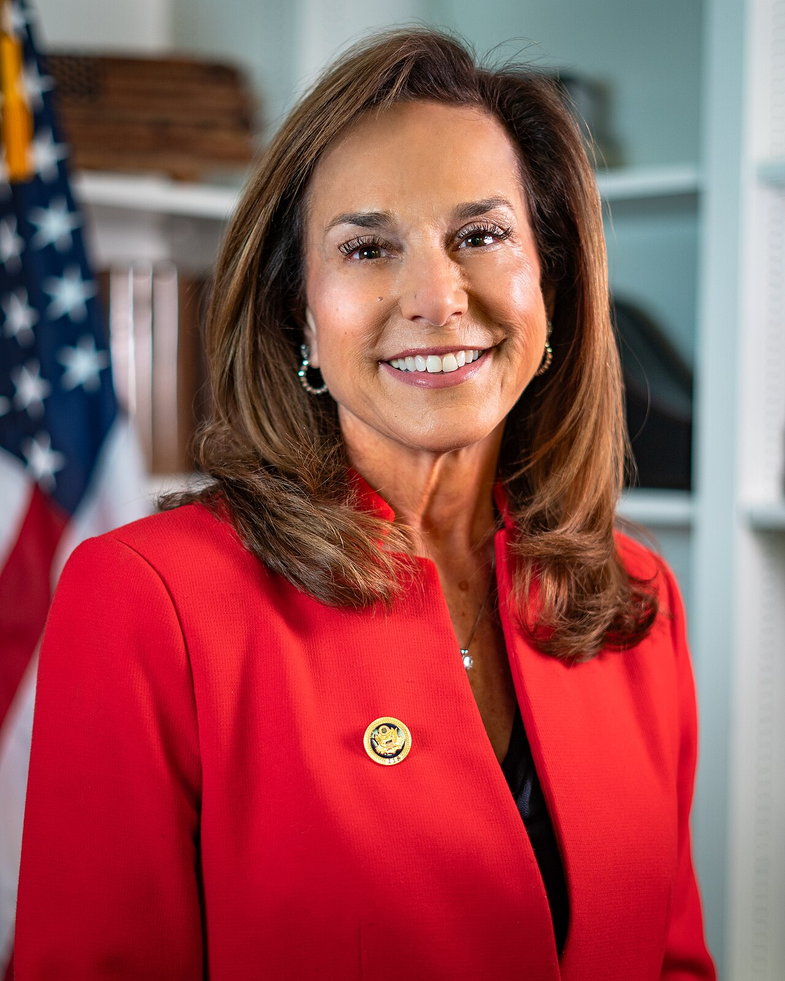
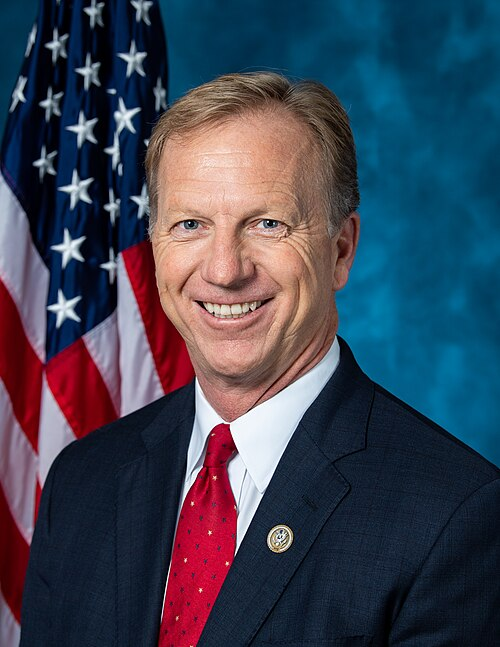
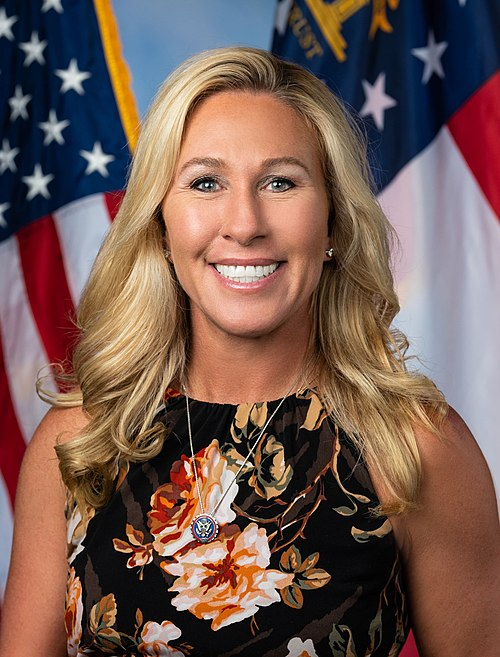
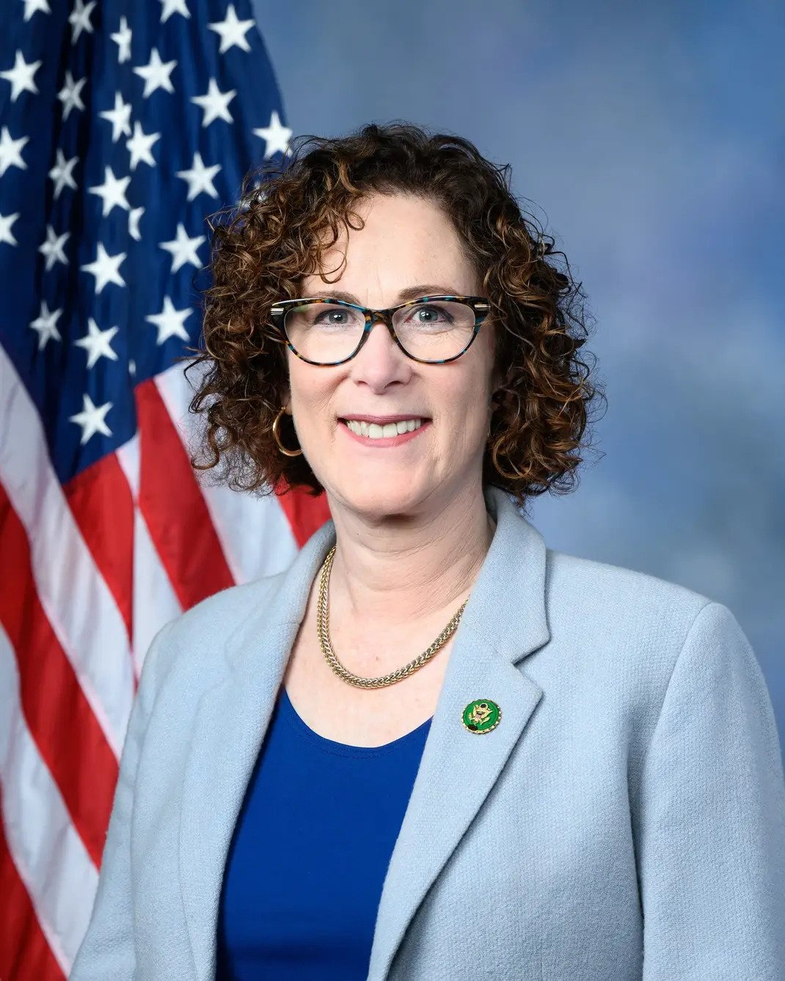
Sponsors
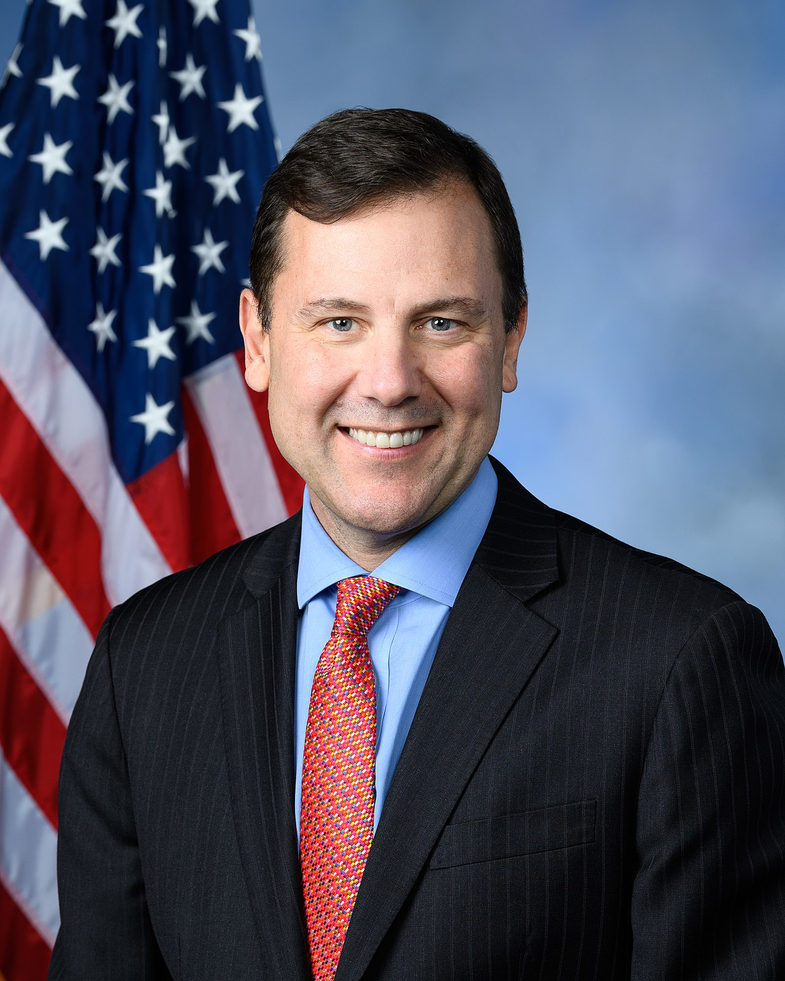
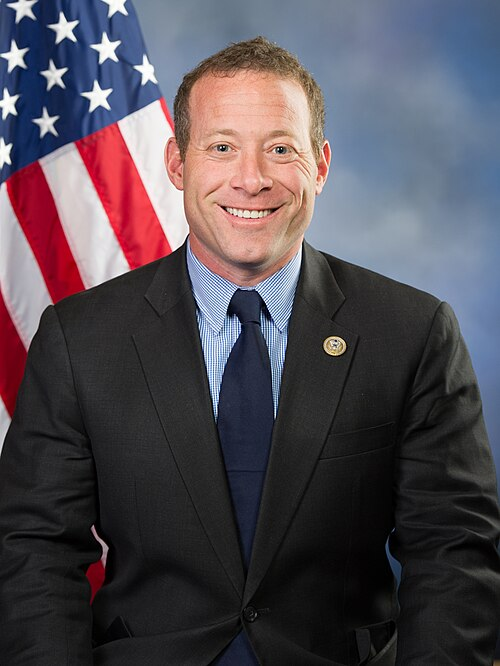
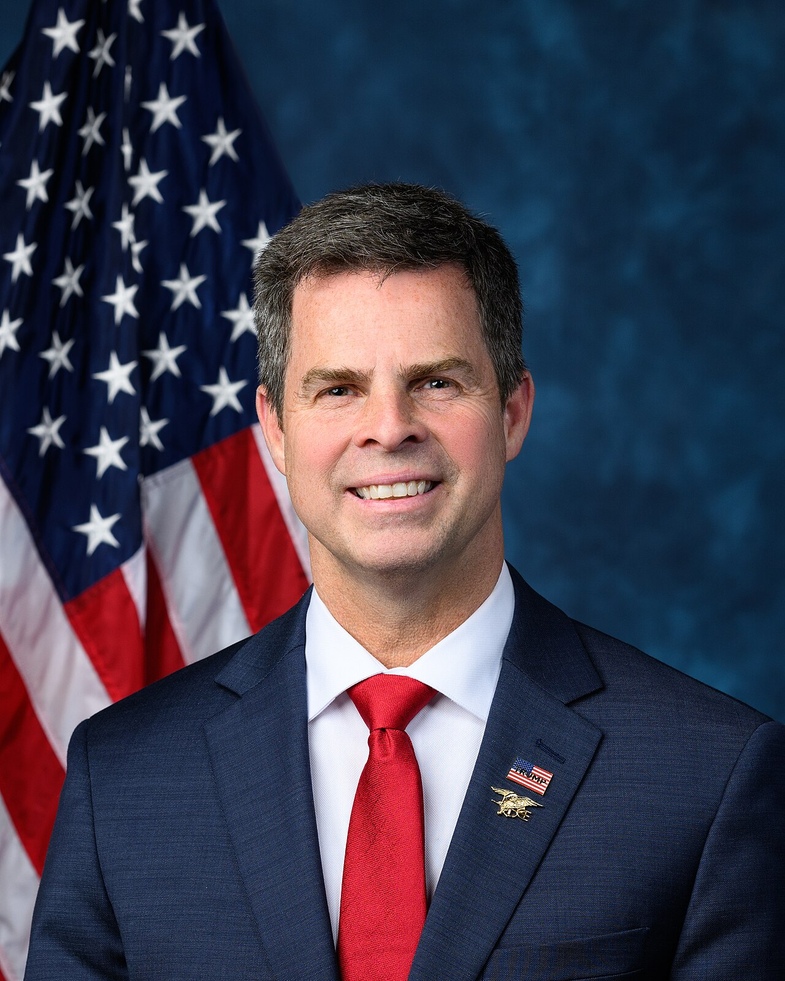
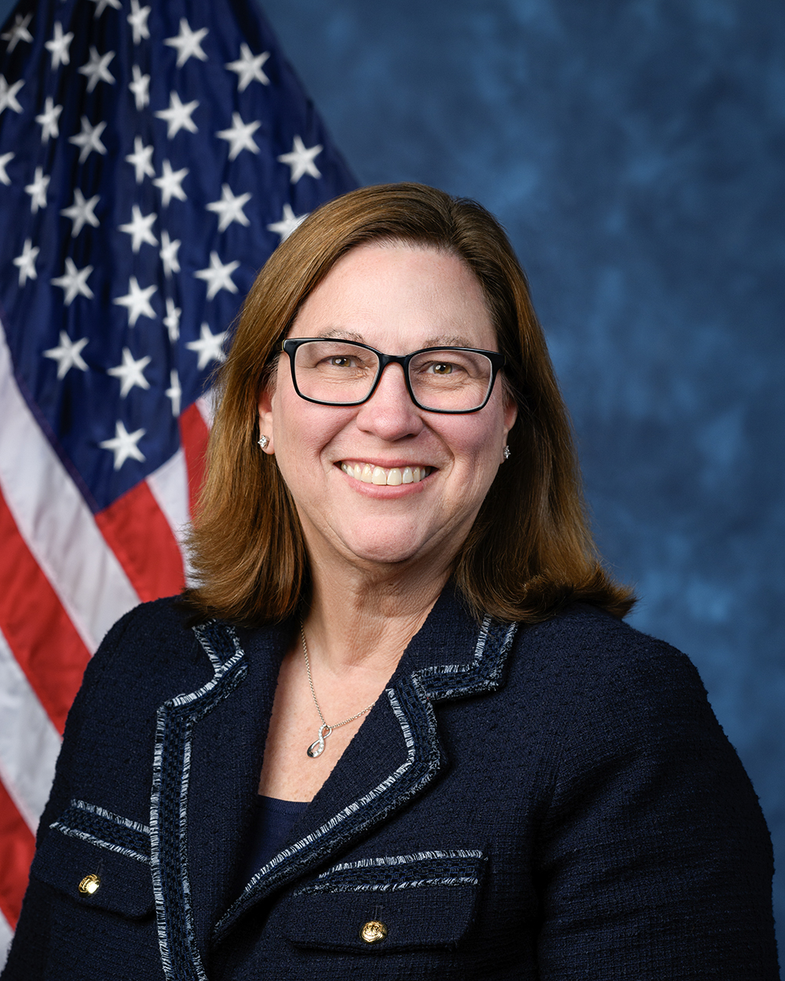
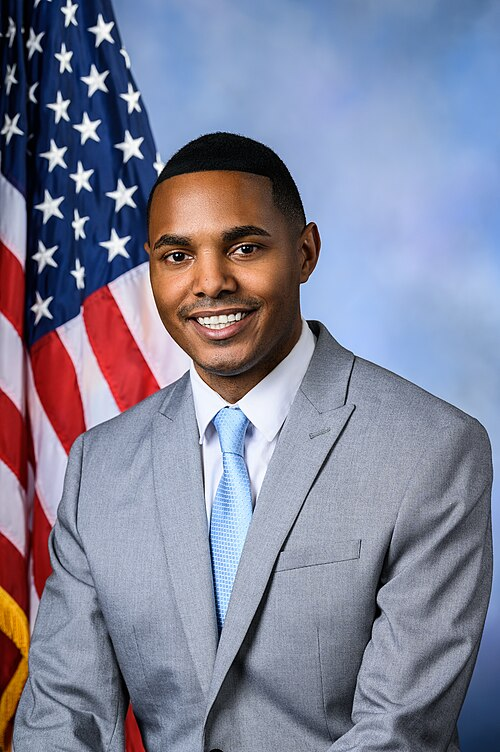
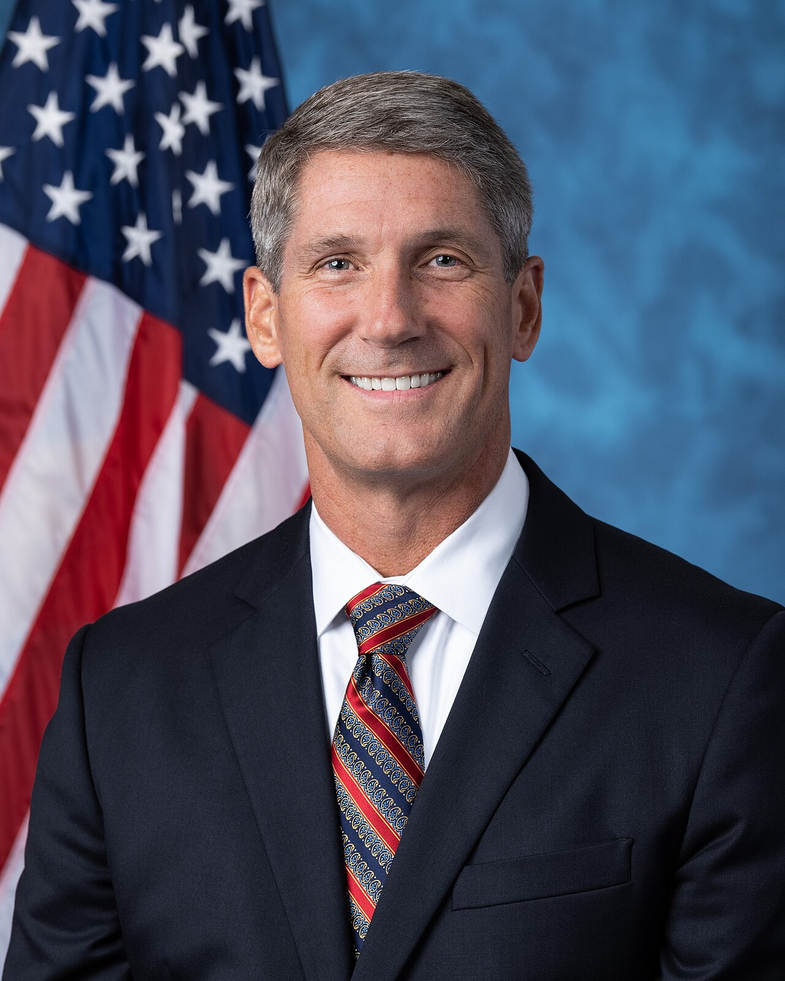
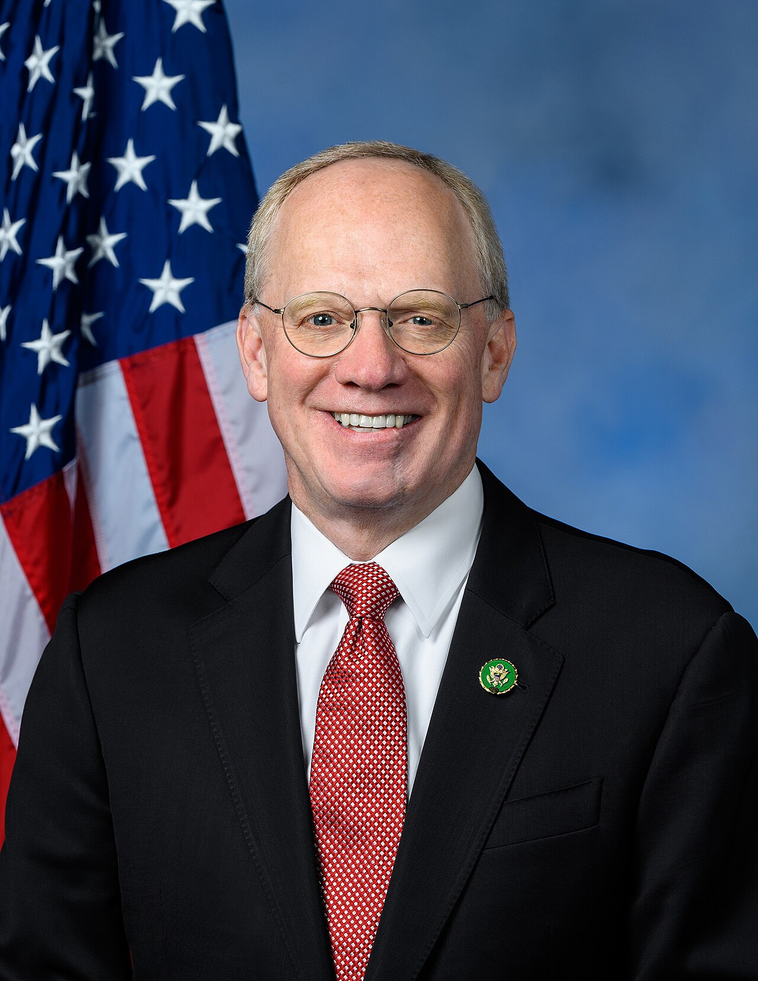
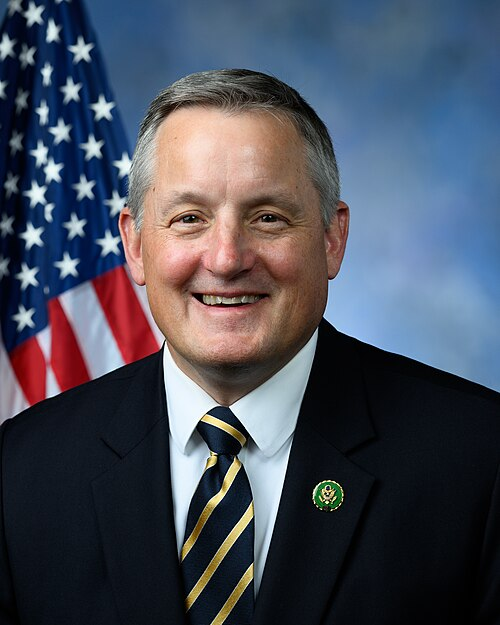
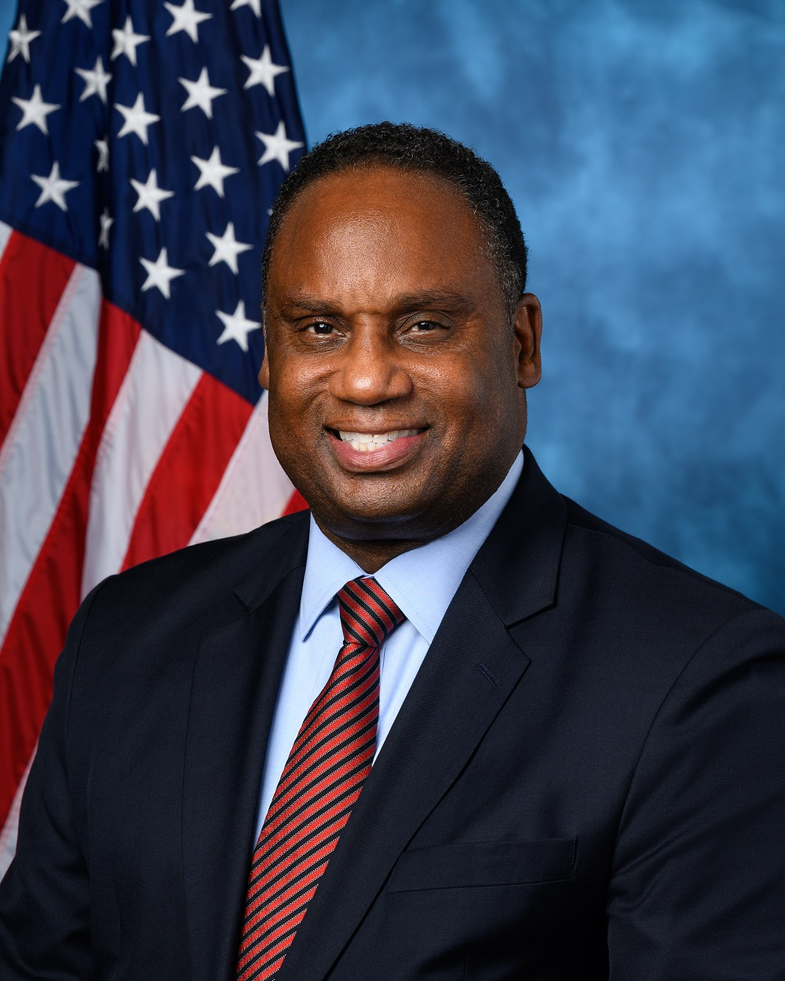
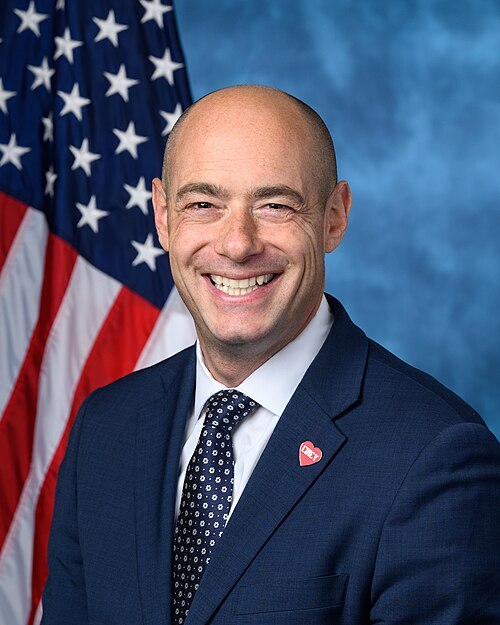
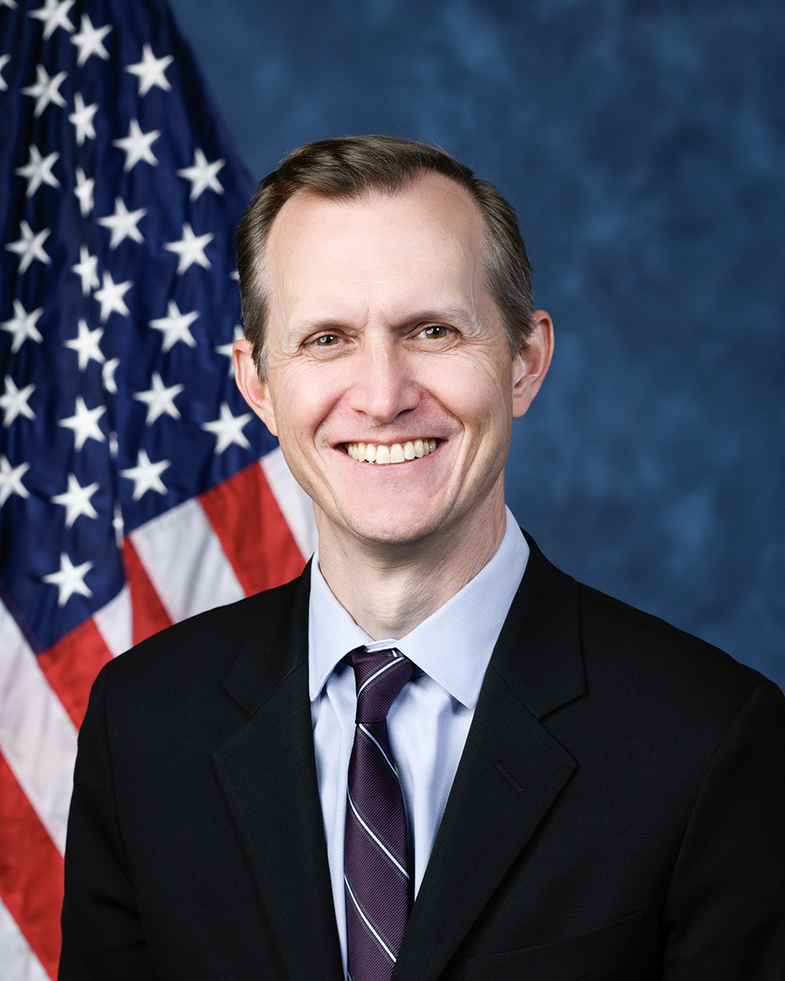
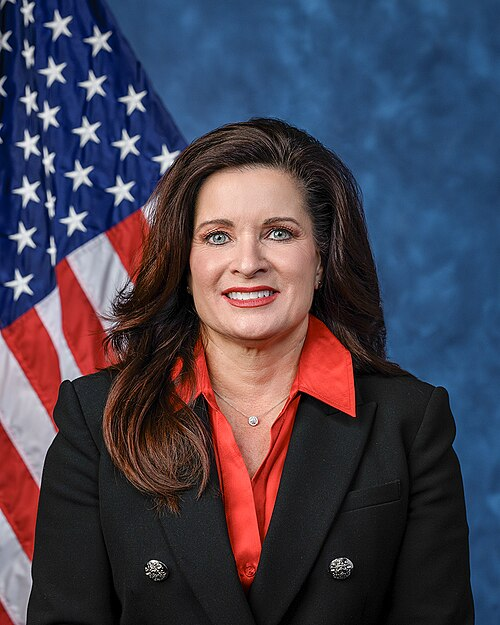
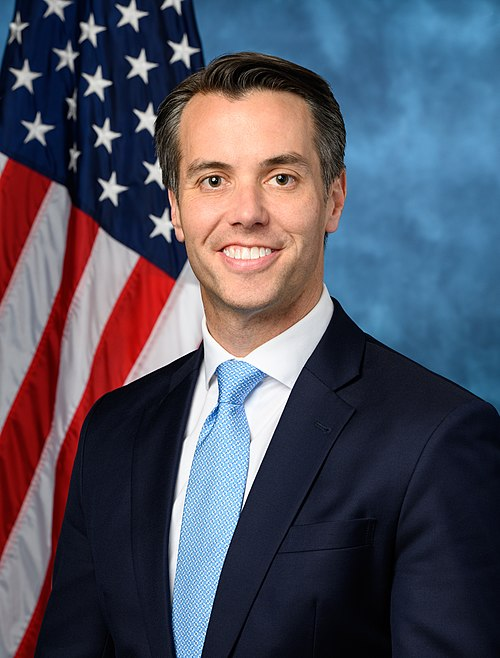
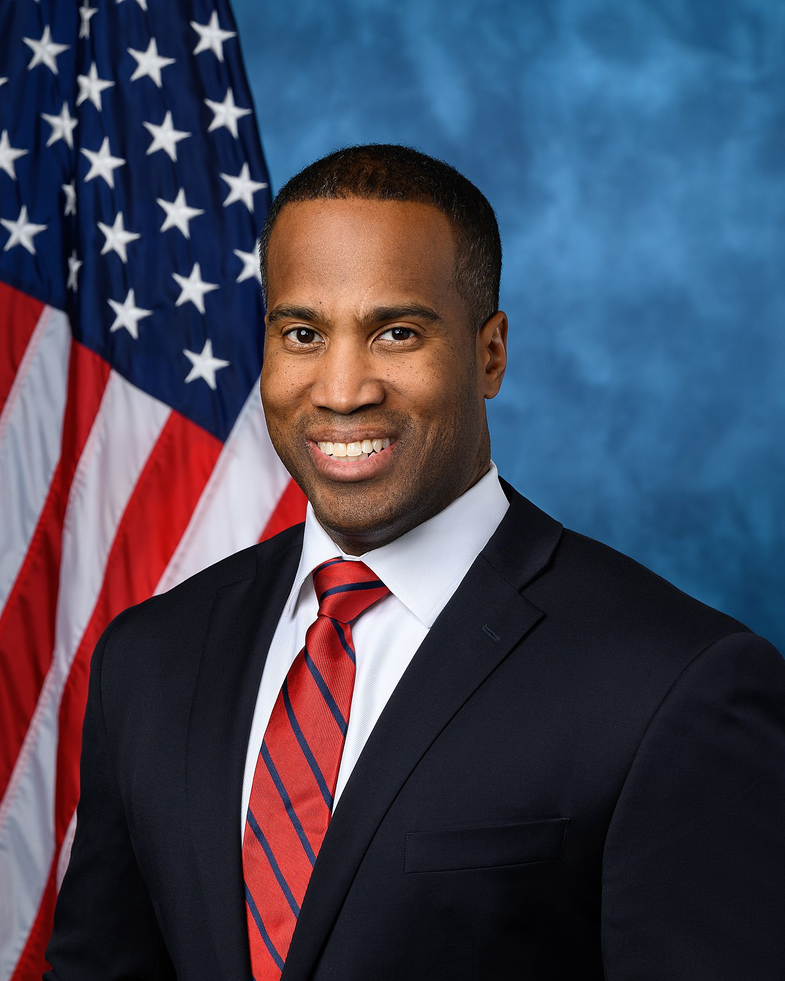
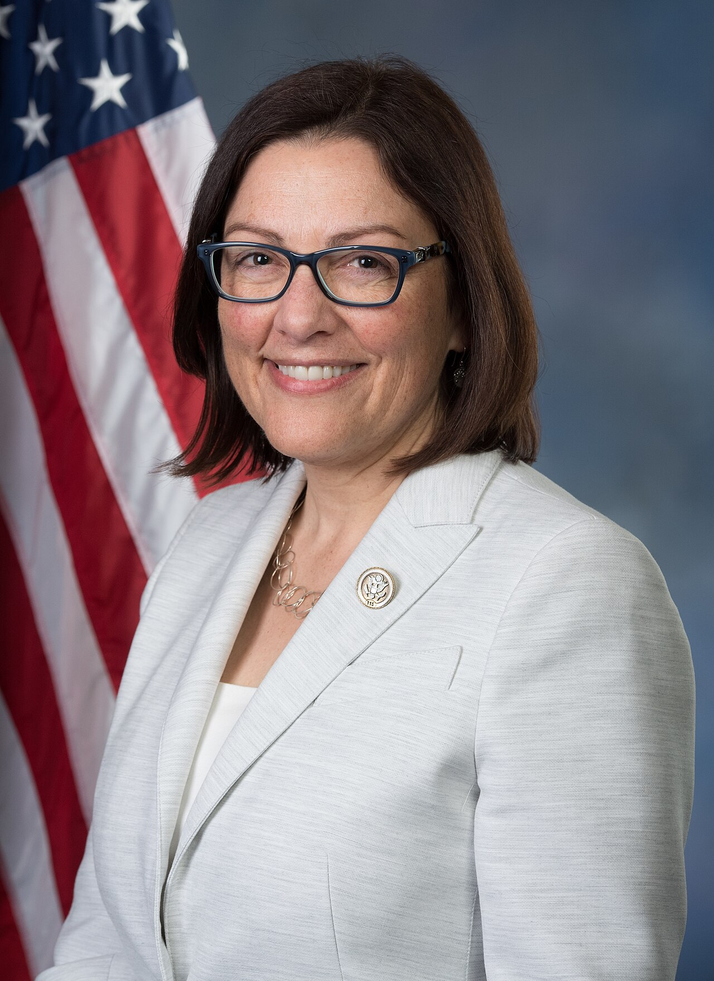
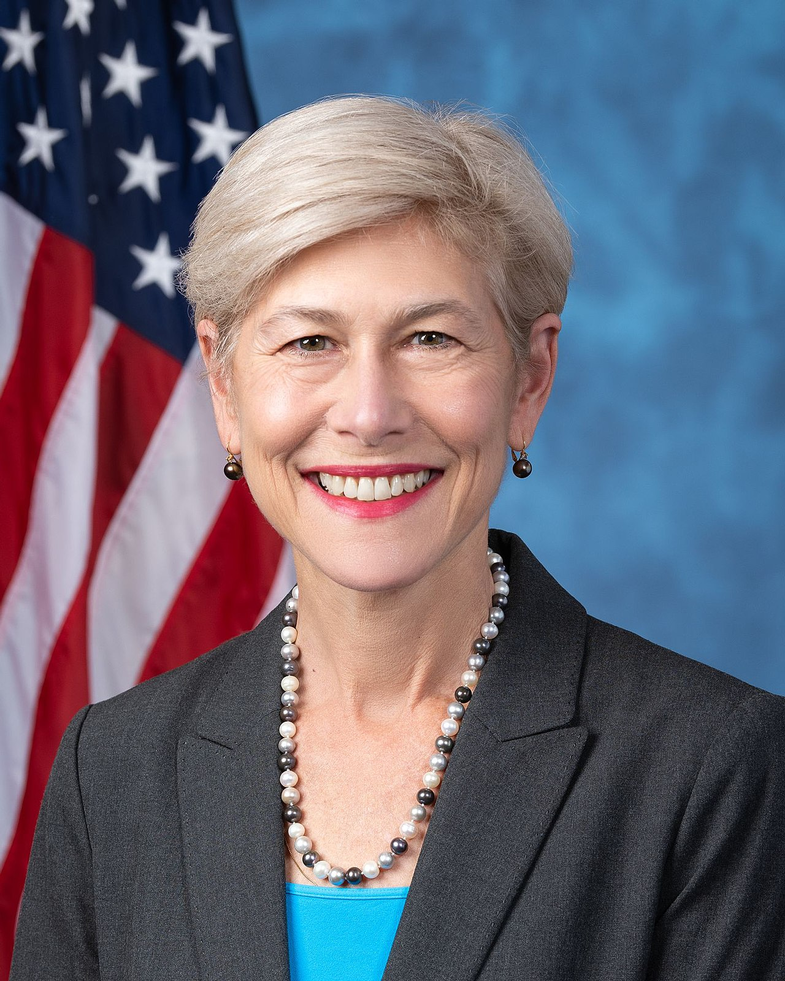
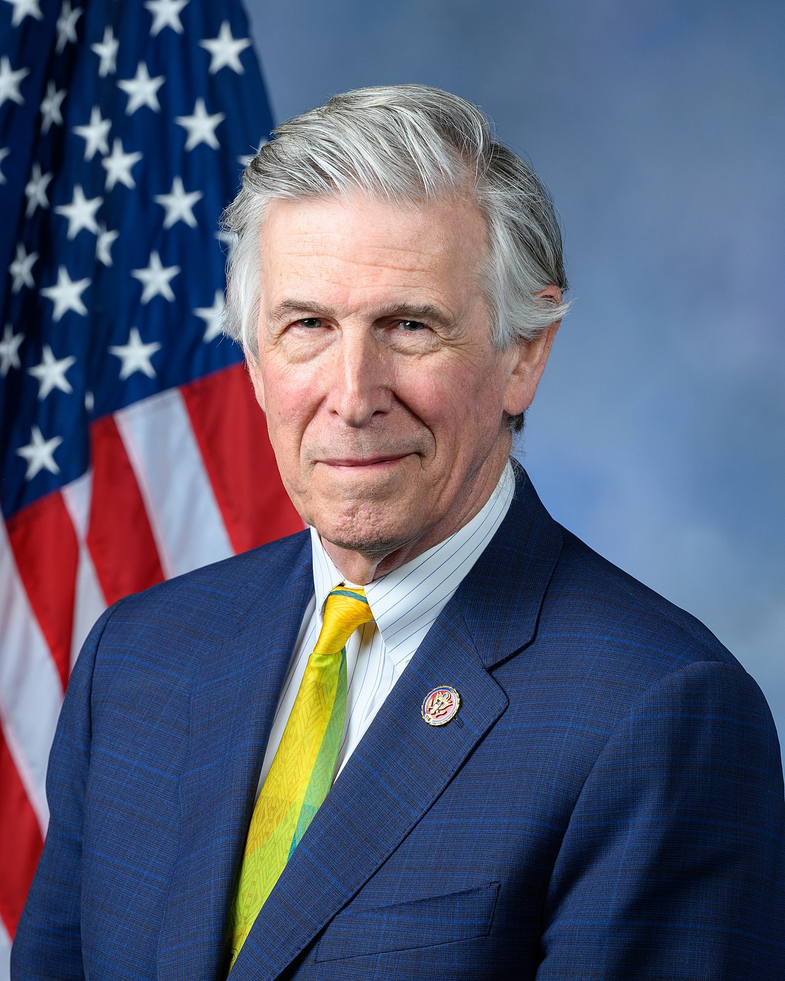
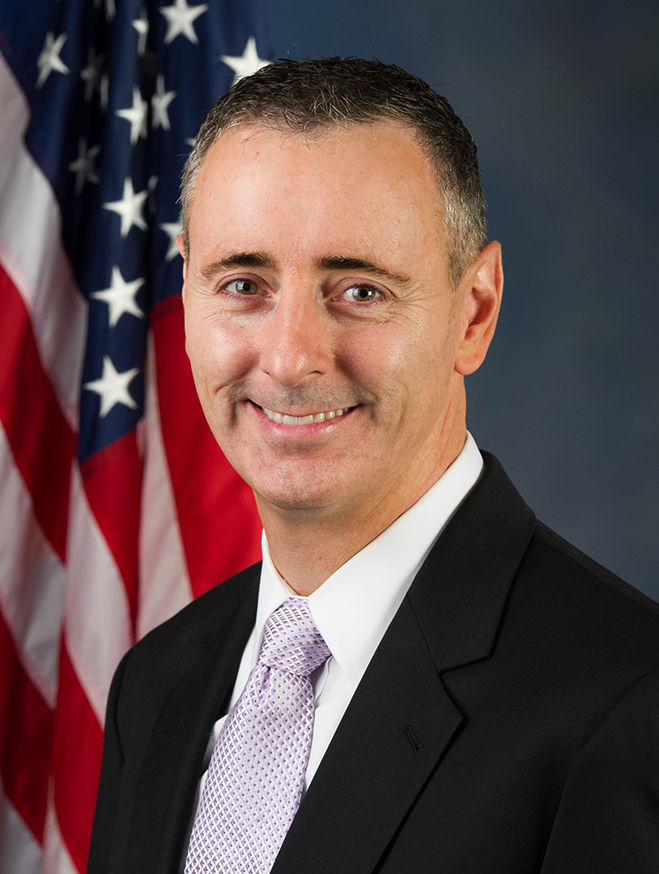
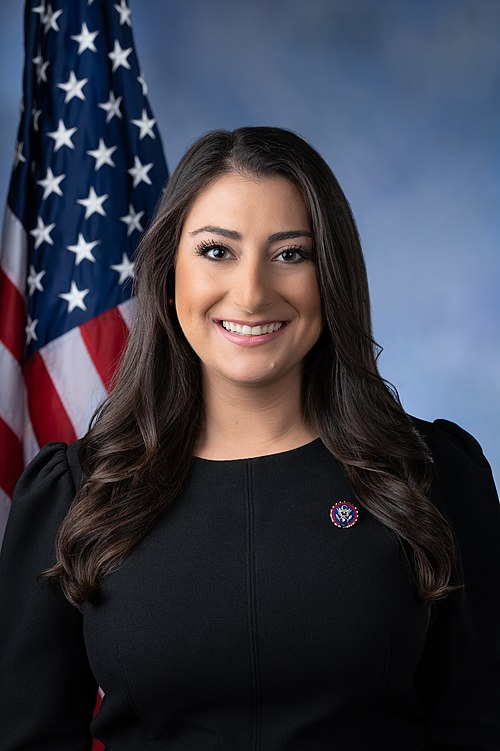
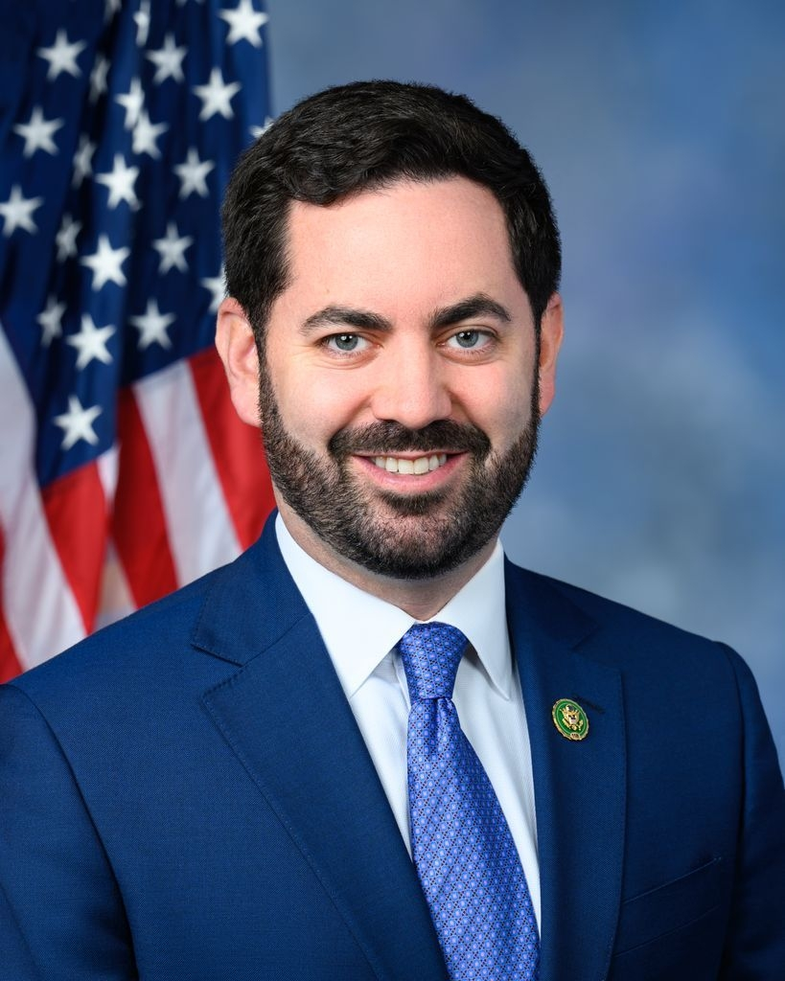
4 bill sponsors
Actions
2 actions
| Date | Action |
|---|---|
| Mar. 26, 2026 | Introduced in House |
| Mar. 26, 2026 | Referred to the House Committee on Energy and Commerce. |
Corporate Lobbying
0 companies lobbying
None found.
* Note that there can be significant delays in lobbying disclosures, and our data may be incomplete.