H.R. 6259: No Fentanyl on Social Media Act
The No Fentanyl on Social Media Act is a proposed piece of legislation aimed at addressing the issue of minors' access to fentanyl through social media platforms. The main components of the bill are as follows:
Report Requirement
The bill mandates the Federal Trade Commission (FTC), in coordination with the Secretary of Health and Human Services, to produce a report within one year after the enactment of the Act. This report will focus on the following key areas:
- The extent to which minors can access fentanyl, particularly through drug sellers using social media platforms.
- The implications of this access on the health and safety of minors.
- Methods used by drug sellers to market and sell fentanyl through social media.
- The impact of social media platform design and features on minors' ability to access fentanyl.
- Measures currently taken by social media platforms to mitigate the sale of fentanyl and their effectiveness.
- Actions being taken by law enforcement and medical professionals to tackle this issue.
- Recommendations for Congress to enhance the prevention of minors accessing fentanyl via social media.
Consultation Process
While preparing the report, the FTC is required to consult with various stakeholders, which may include:
- Parents and guardians
- Representatives from social media platforms
- Law enforcement officials
- Medical professionals and other experts in the field
Provision for Redaction
In the final report, there is a provision that allows for certain information to be redacted if it relates to law enforcement tactics. This decision will be made in consultation with the Attorney General to safeguard any sensitive strategies or techniques.
Definitions of Key Terms
Several key terms are defined within the bill to provide clarity:
- Commission: Refers to the Federal Trade Commission.
- Fentanyl: Includes fentanyl analogues and related substances.
- Minor: Defined as anyone under the age of 18.
- Social Media Platform: Describes public-facing websites or apps that allow user-generated content but excludes broadband internet service providers and email services.
Relevant Companies
- GOOGL - Alphabet Inc.: Owner of Google and YouTube, which are major social media platforms where content related to drug selling could be disseminated.
- FB - Meta Platforms, Inc.: Operates Facebook and Instagram, where drug sellers may advertise and conduct sales to minors.
- SNAP - Snap Inc.: Operates Snapchat, a platform popular among younger users, which may pose risks for minors accessing fentanyl-related content.
This is an AI-generated summary of the bill text. There may be mistakes.
Sponsors
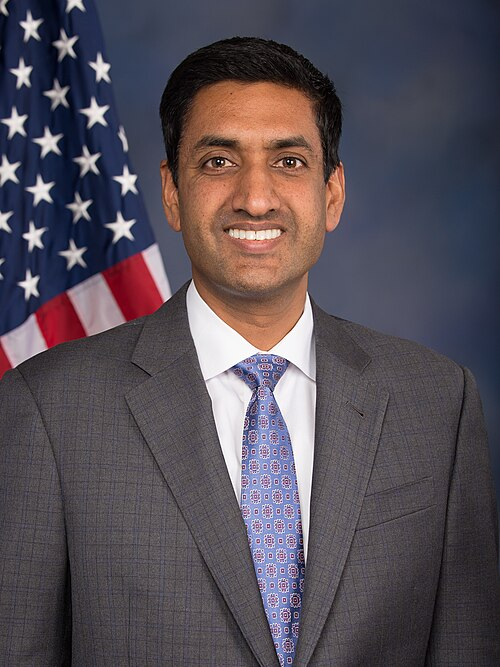
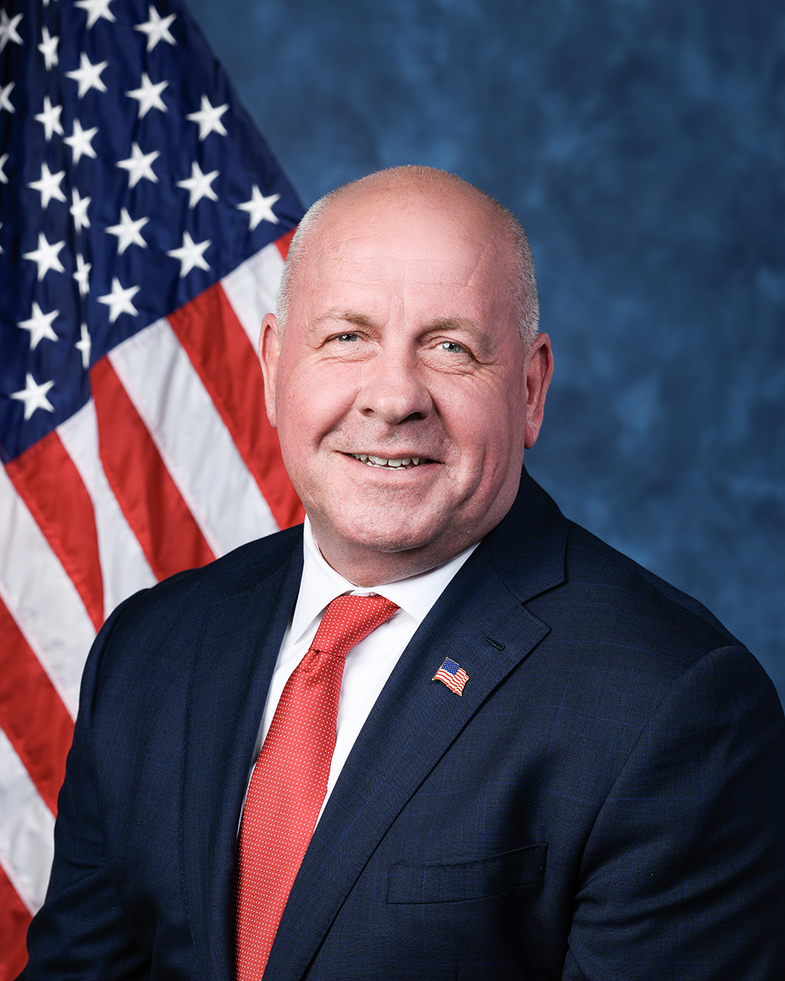
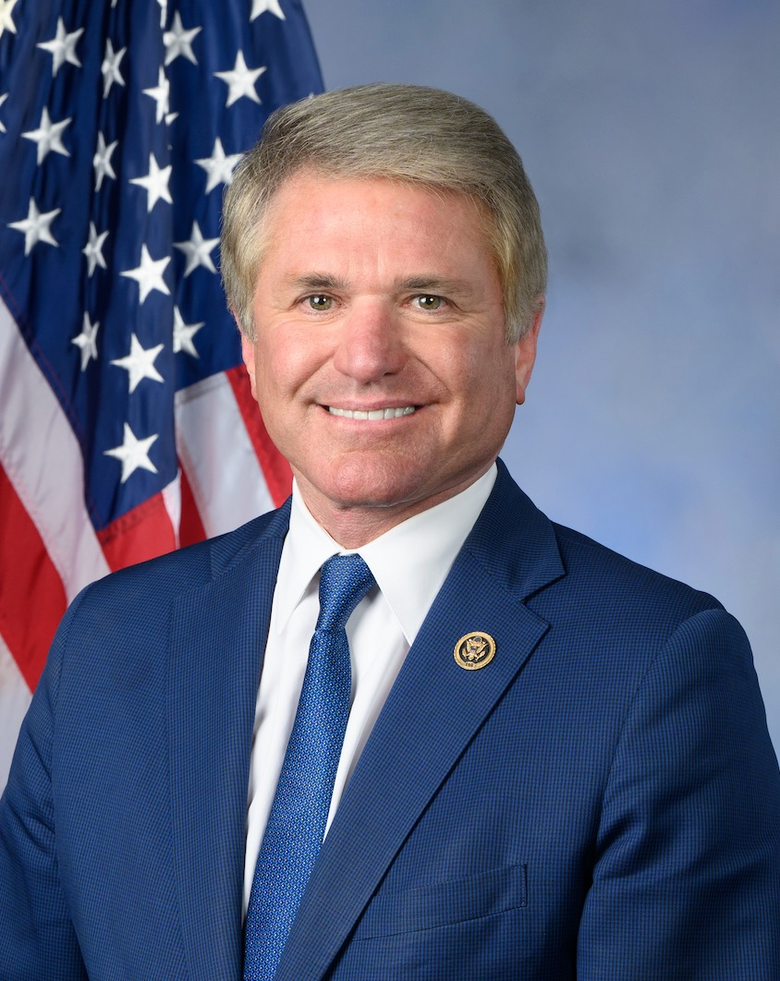
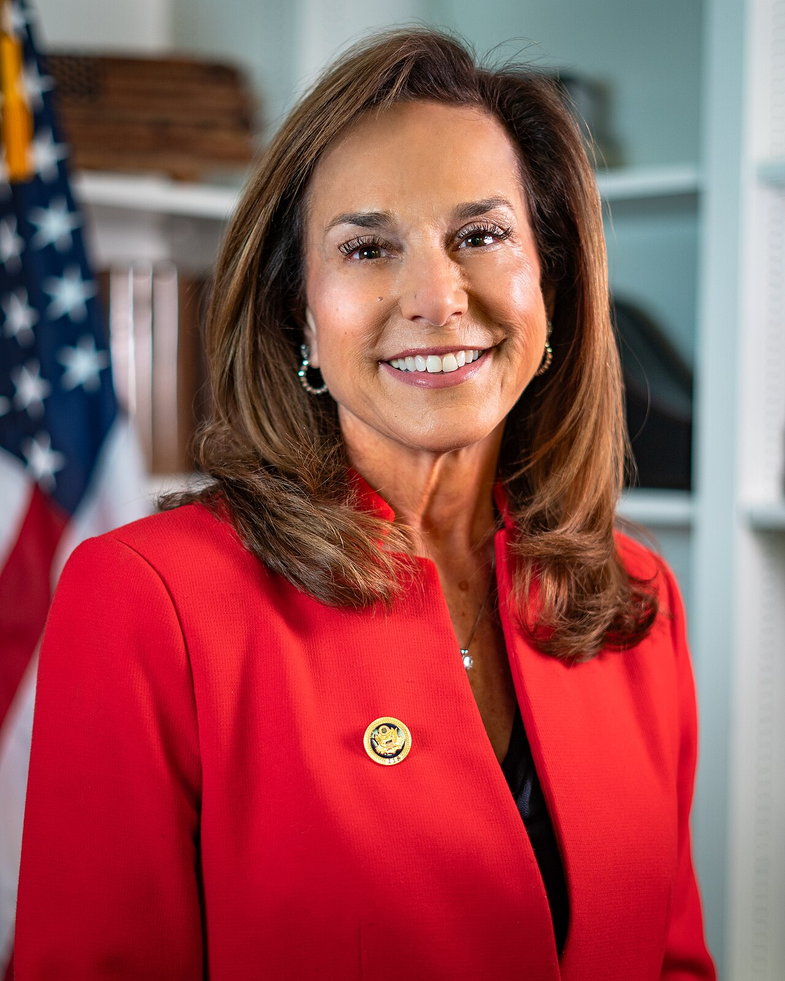
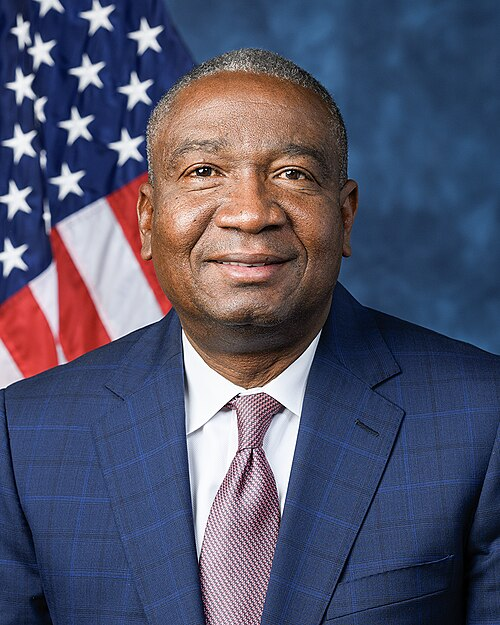
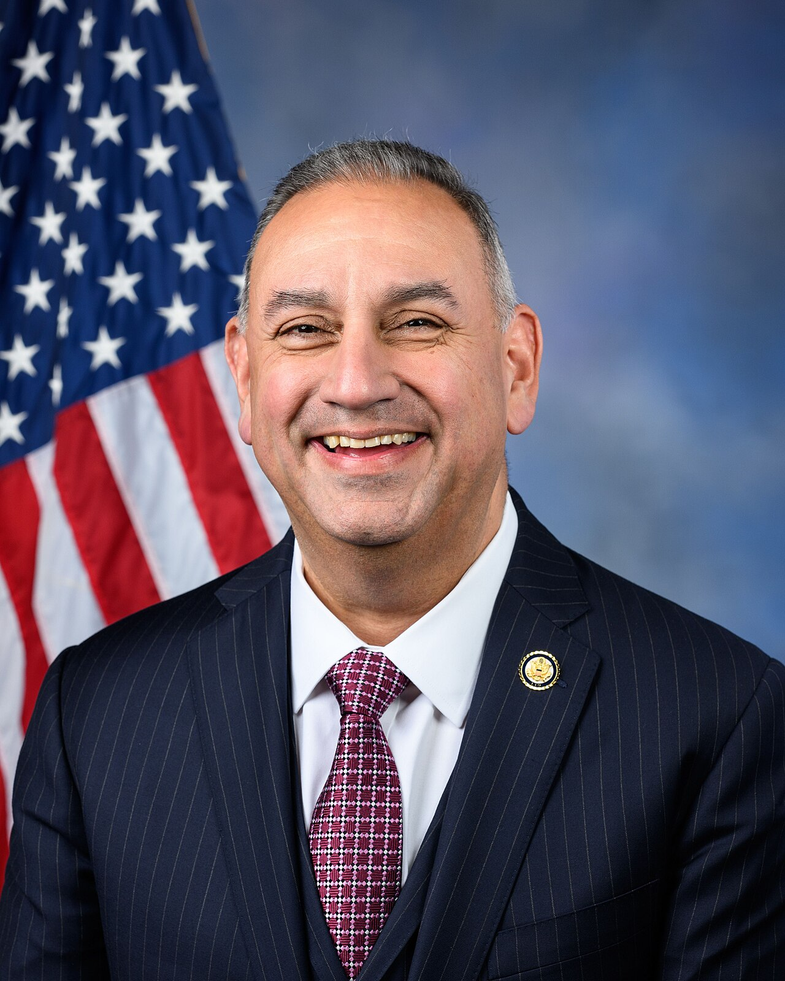
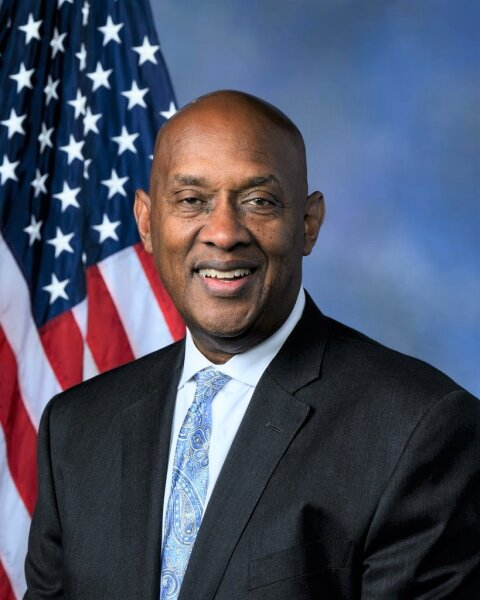
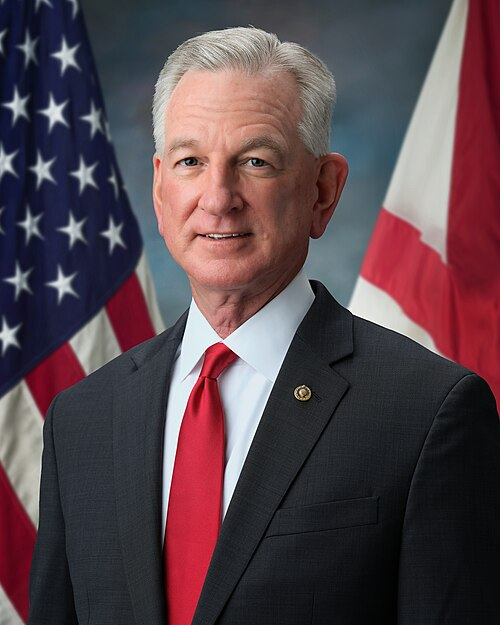
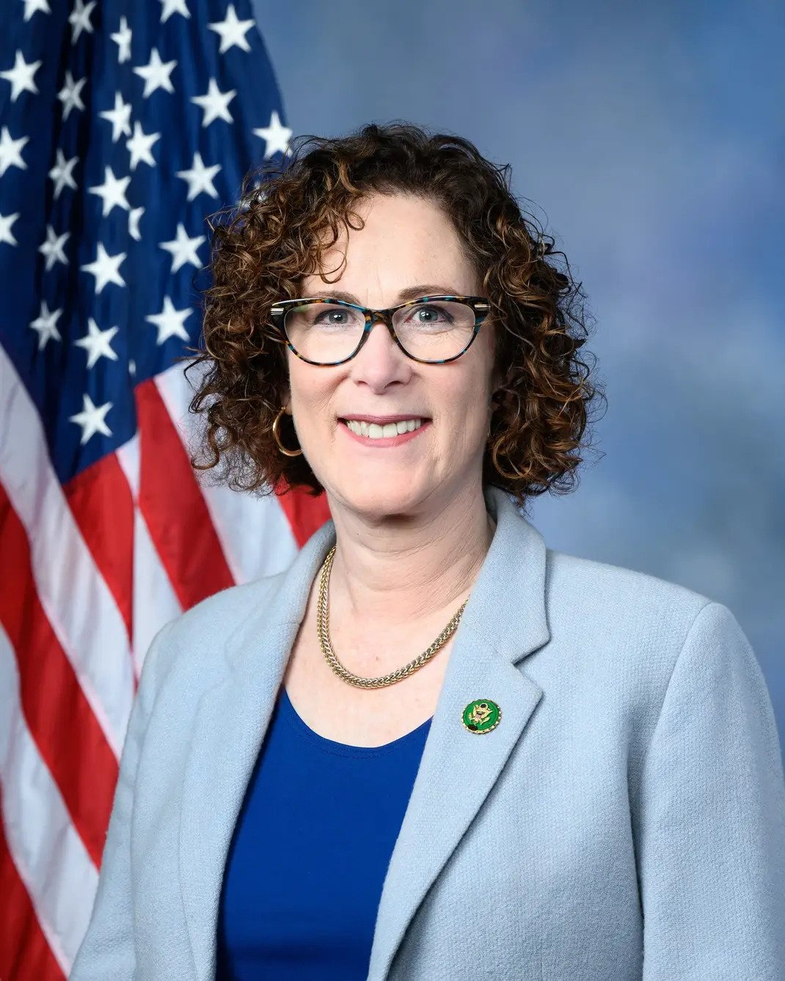
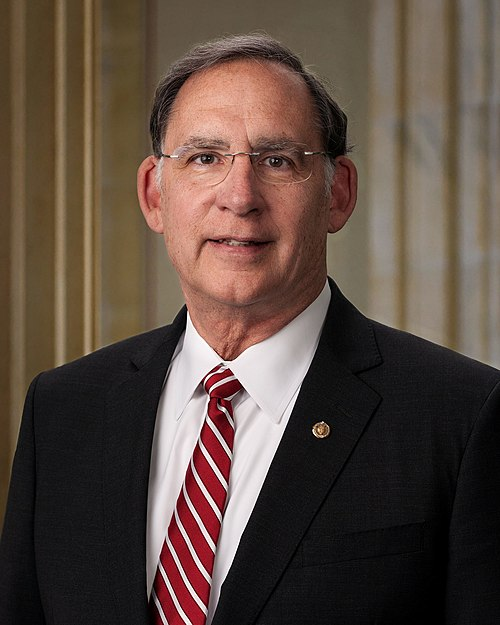
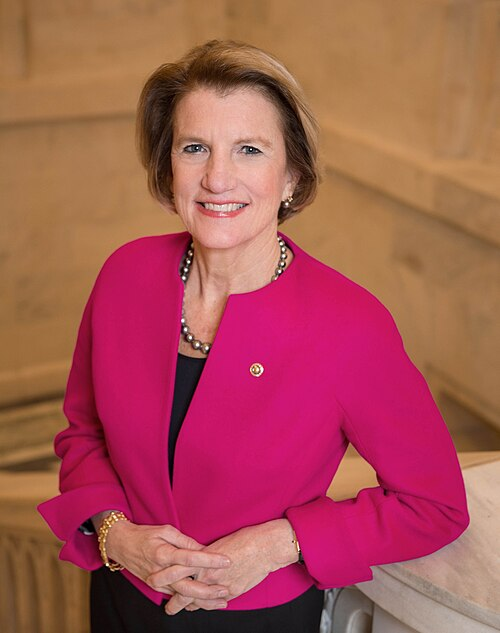
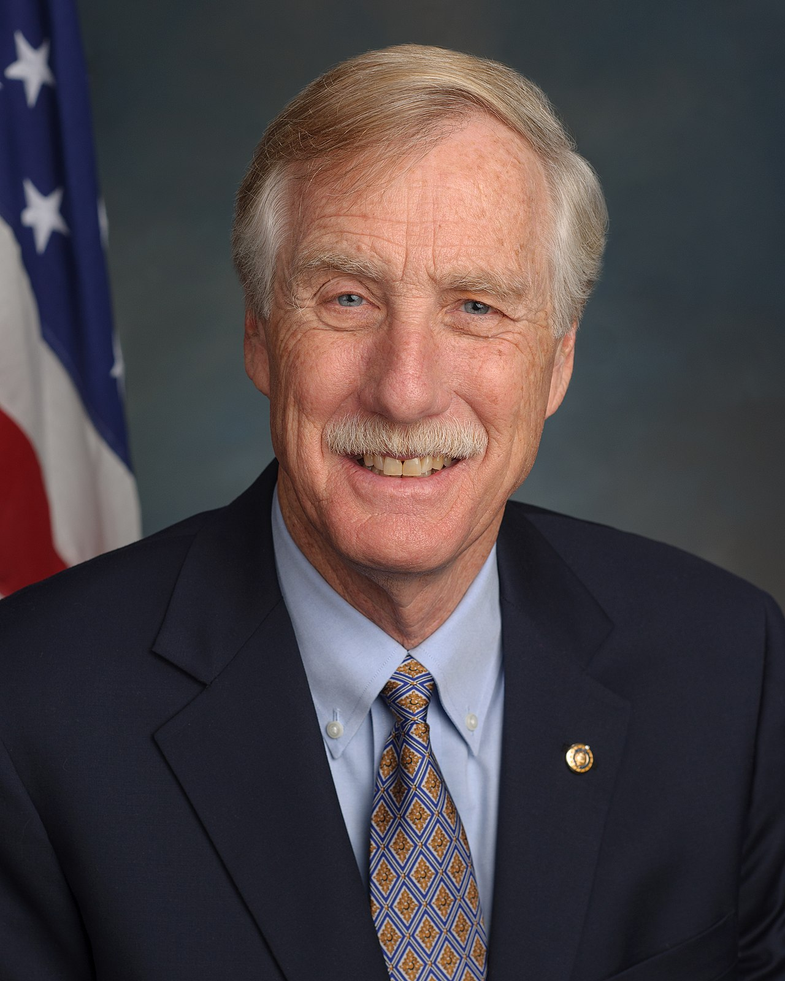
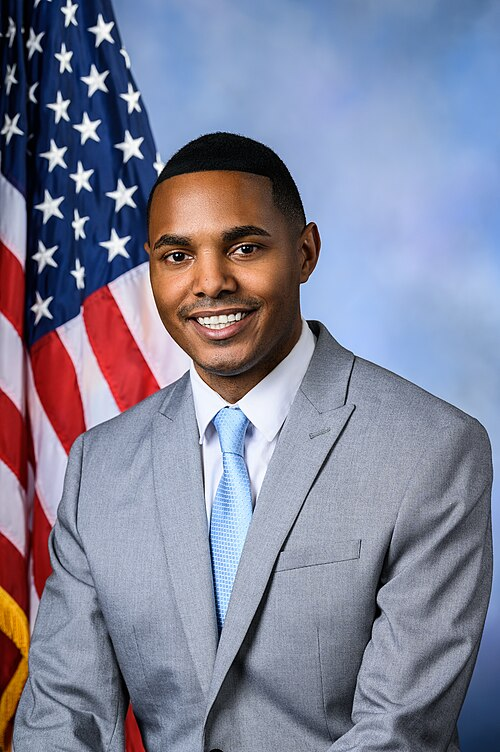
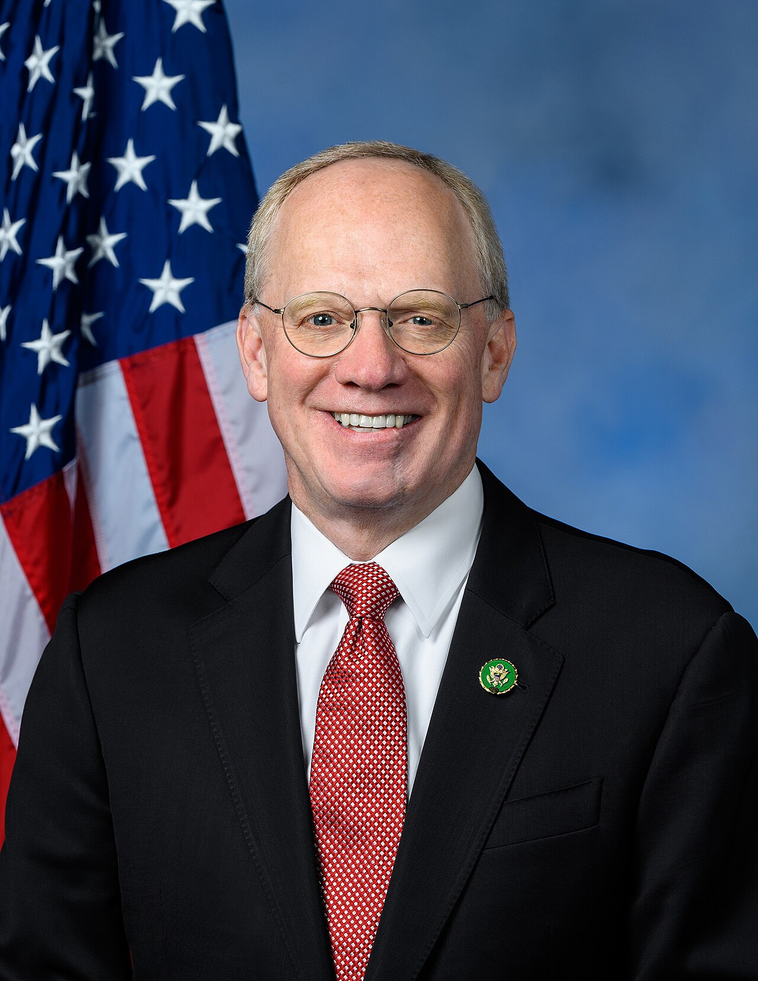
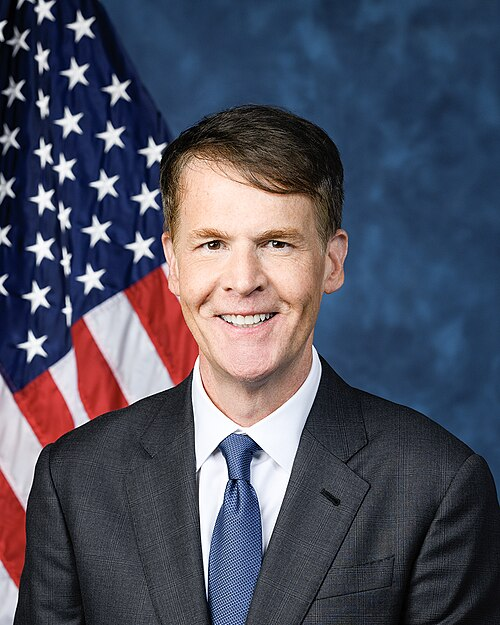
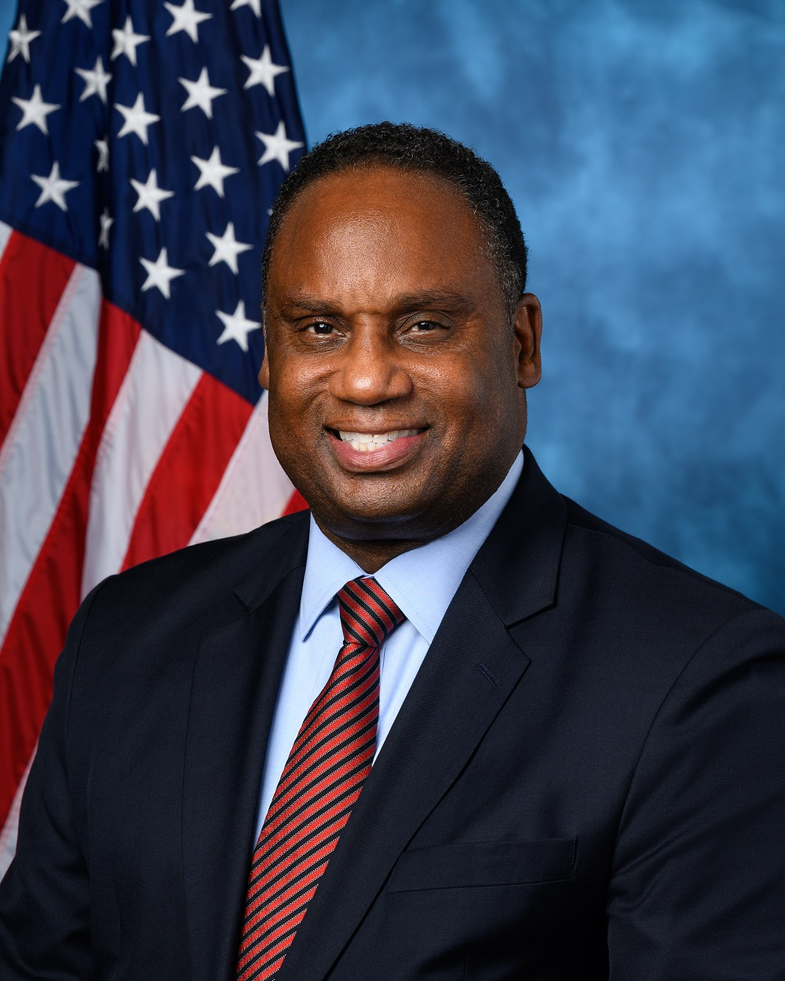
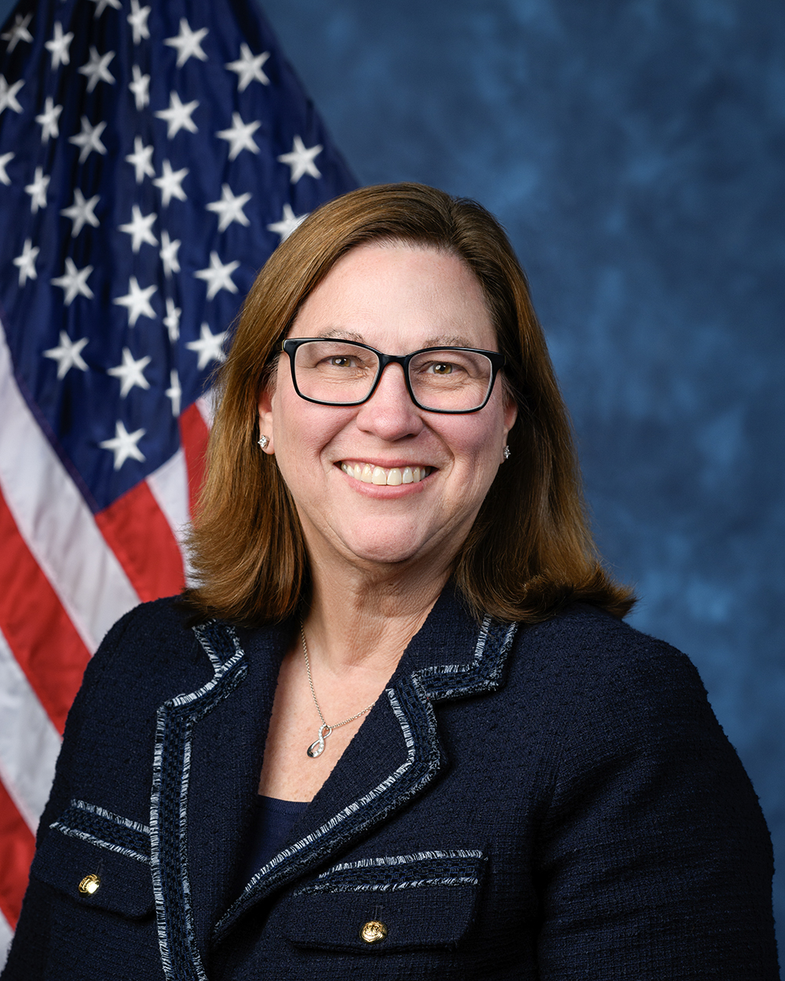
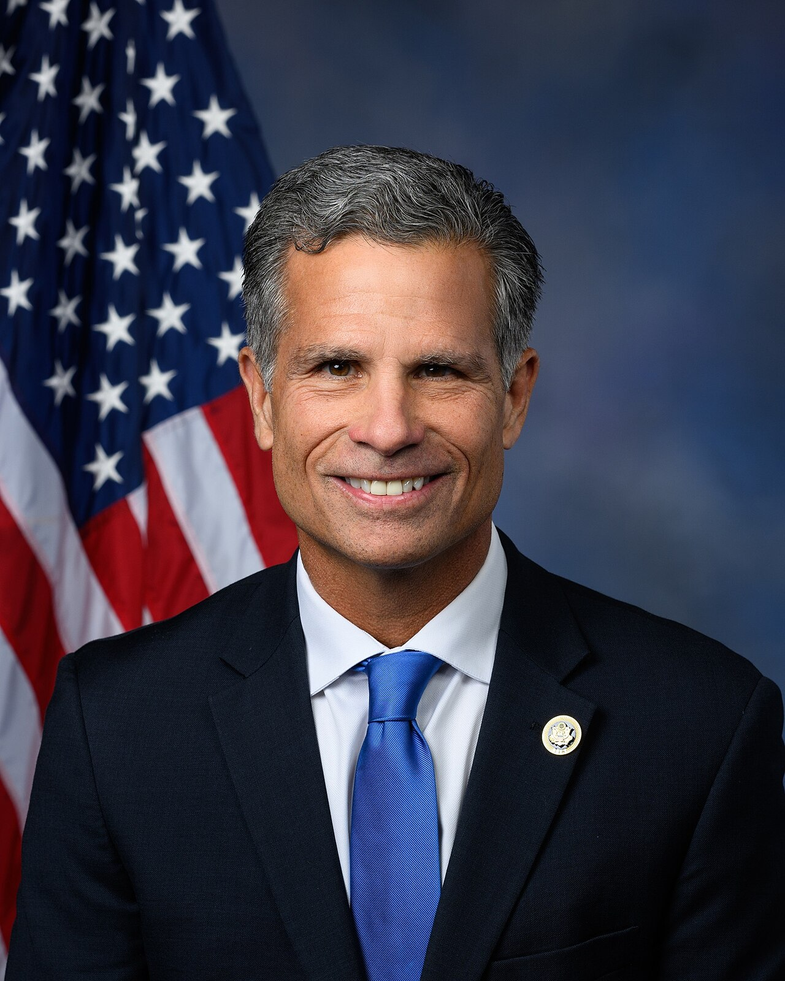
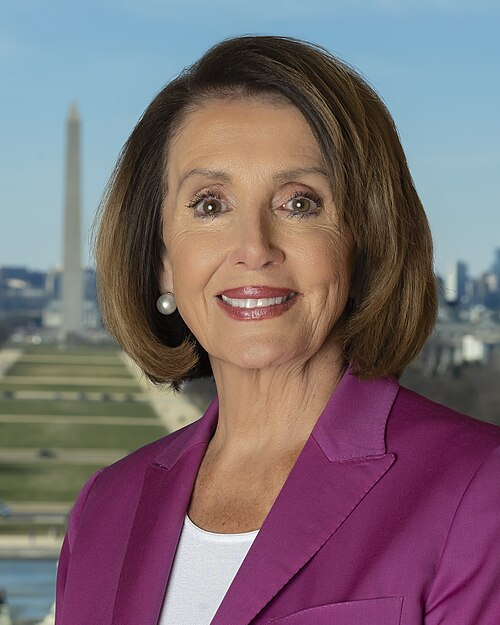
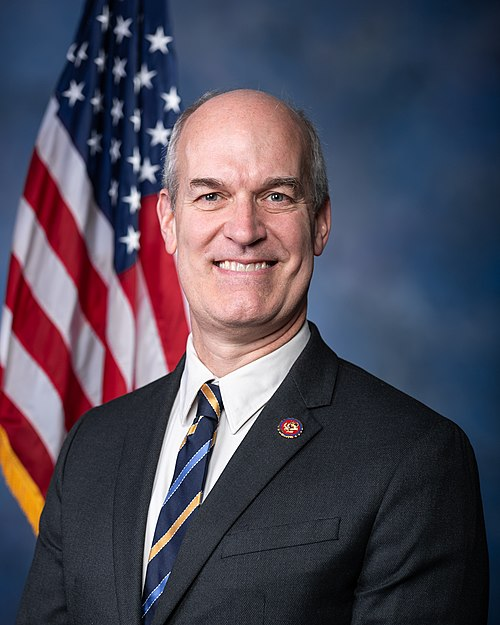
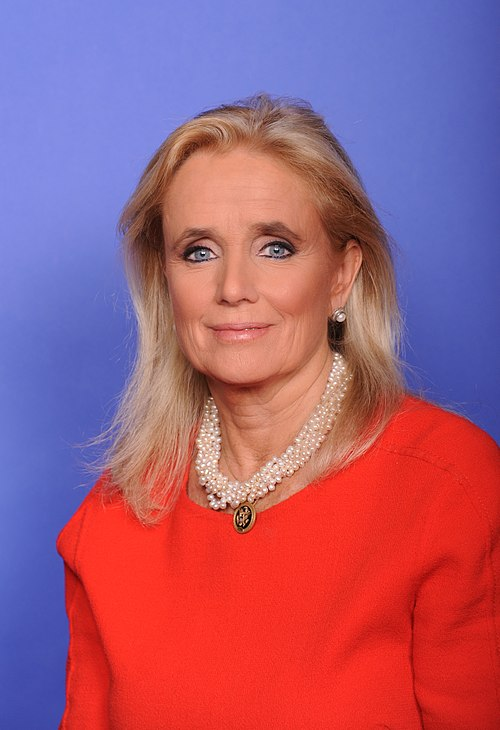
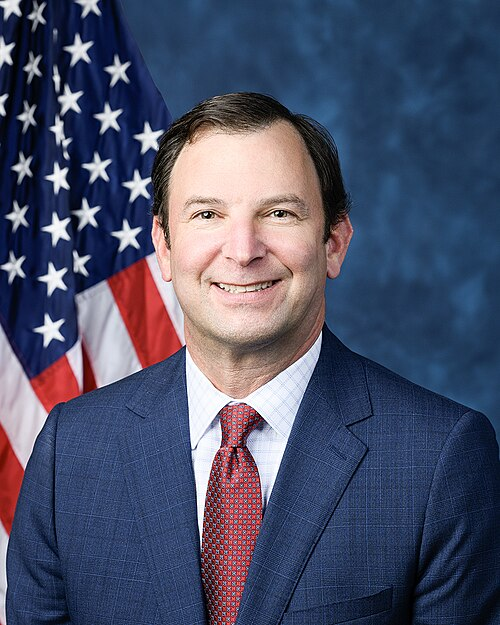
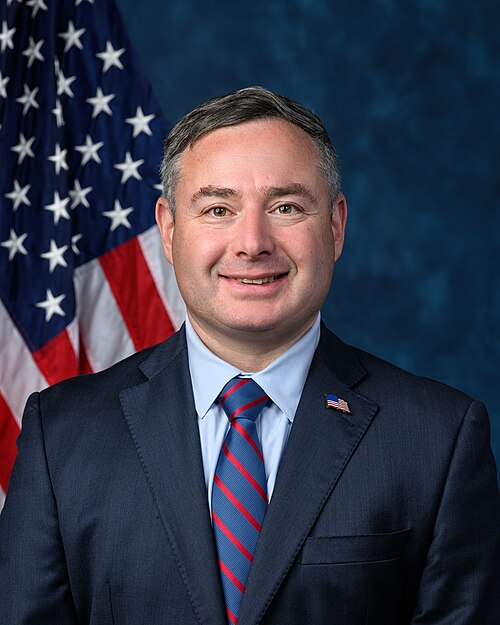
4 bill sponsors
Actions
5 actions
| Date | Action |
|---|---|
| Dec. 11, 2025 | Forwarded by Subcommittee to Full Committee by Voice Vote. |
| Dec. 11, 2025 | Subcommittee Consideration and Mark-up Session Held |
| Nov. 21, 2025 | Introduced in House |
| Nov. 21, 2025 | Referred to the Committee on Energy and Commerce, and in addition to the Committee on the Judiciary, for a period to be subsequently determined by the Speaker, in each case for consideration of such provisions as fall within the jurisdiction of the committee concerned. |
| Nov. 21, 2025 | Referred to the Subcommittee on Commerce, Manufacturing, and Trade. |
Corporate Lobbying
0 companies lobbying
None found.
* Note that there can be significant delays in lobbying disclosures, and our data may be incomplete.