H.R. 1623: Shielding Children's Retinas from Egregious Exposure on the Net Act
This bill, known as the Shielding Children's Retinas from Egregious Exposure on the Net Act (SCREEN Act), aims to implement measures to prevent minors from accessing online pornographic content across various platforms. The bill outlines a series of requirements for 'covered platforms', which are defined as interactive computer services that create, host, or provide access to content deemed harmful to minors, particularly pornography.
Key Provisions
- Technology Verification Measures: Beginning one year after the law is enacted, covered platforms must adopt technology to verify users' ages and ensure that minors cannot access harmful content. This involves using methods that are more effective than merely asking users to confirm their age.
- Specification of Requirements: Platforms must have clear processes for age verification, which cannot solely rely on users self-reporting their age. They also need to publicly disclose the verification methods being utilized.
- Data Security Standards: The bill mandates covered platforms to maintain data security measures to protect the information collected during the verification process and to limit the retention of such data to what is necessary.
- Use of Third-Party Services: Platforms can contract third parties to administer these verification measures, but they remain responsible for compliance and liable for any violations of the Act.
- Compliance Audits and Reporting: The Federal Trade Commission (FTC) is tasked with conducting audits of the platforms to ensure compliance with these measures and must report to Congress on their effectiveness and impact after two years of implementation.
Background and Rationale
The bill's supporters argue that existing methods of protecting minors from online pornography—such as filtering software—have proven inadequate. Studies cited in the bill indicate high rates of exposure to such content among minors, suggesting an urgent need for more robust protective measures. The bill posits that using modern age verification technology can provide a solution to prevent minors from accessing harmful content effectively.
Consultation Requirements
When enforcing the bill, the FTC is required to consult with various experts, including those in computer science, child safety advocacy, consumer protection, and data security, to determine appropriate standards and practices for age verification.
Enforcement
Violations of the requirements set forth in the bill would be treated as unfair or deceptive acts under the Federal Trade Commission Act, granting the FTC authority to enforce compliance and impose penalties for noncompliance.
Reporting Mandate
After the two-year compliance period, the Comptroller General of the United States will submit a report to Congress detailing the effectiveness of the verification technologies, compliance rates, data security practices, and broader societal impacts. This is intended to inform future legislative adjustments and enforcement strategies.
Severability Clause
The bill includes a severability clause, ensuring that if any part of the law is found unconstitutional, the remaining provisions will still be valid and enforceable.
Relevant Companies
- GOOGL - Google: As a major platform hosting potentially harmful content, Google would have to implement age verification measures across its services, impacting advertising and user access policies.
- FB - Meta Platforms: Facebook and Instagram would need to integrate age-verification technologies, affecting user engagement and advertising models.
- AMZN - Amazon: Amazon’s interactive platforms that host user-generated content may be affected, requiring changes in how they verify the age of users submitting content.
This is an AI-generated summary of the bill text. There may be mistakes.
Sponsors
26 bill sponsors
-
TrackMary E. Miller
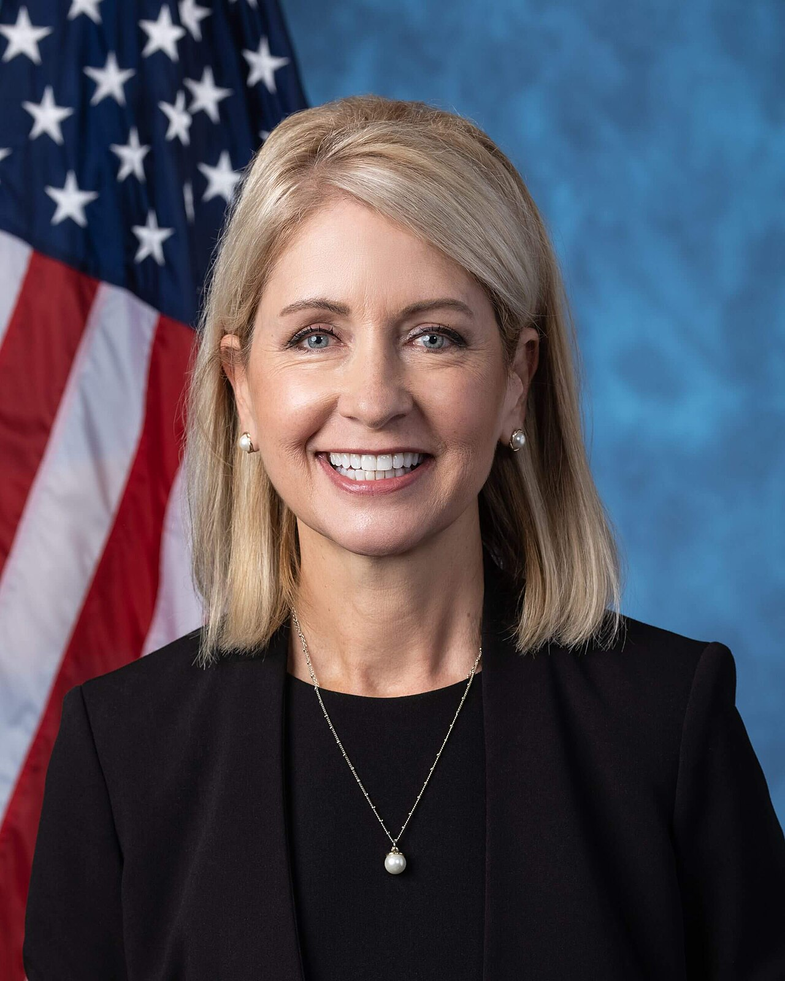
Sponsor
-
TrackRobert B. Aderholt
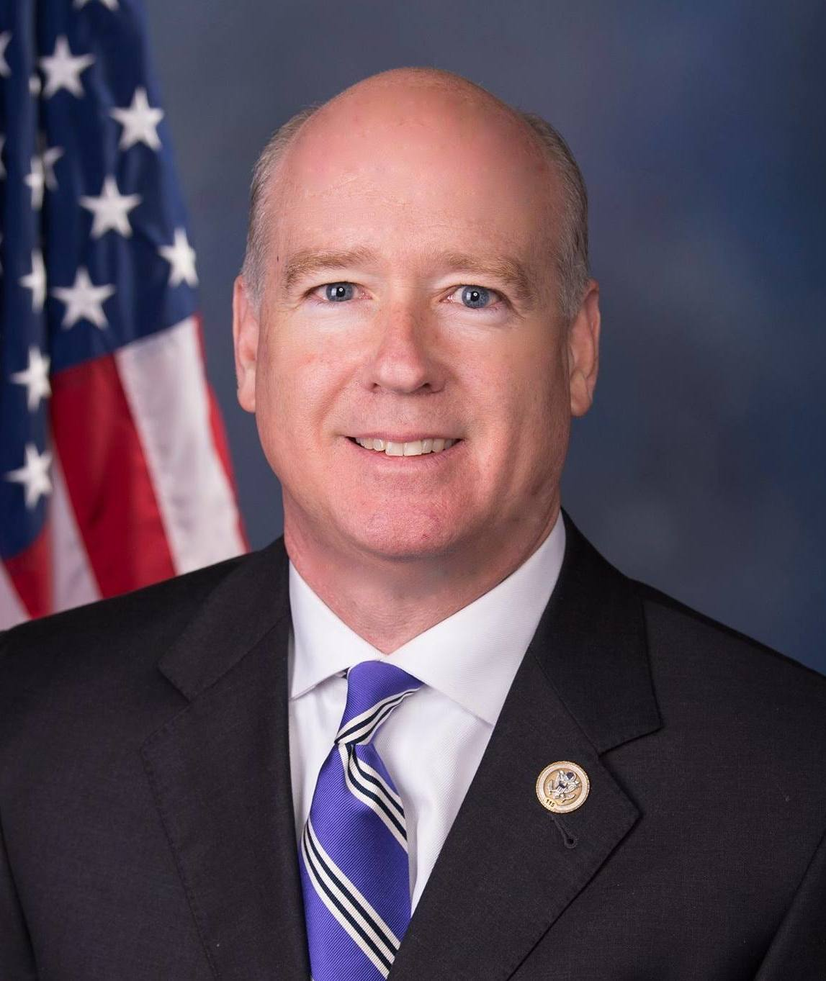
Co-Sponsor
-
TrackBrian Babin
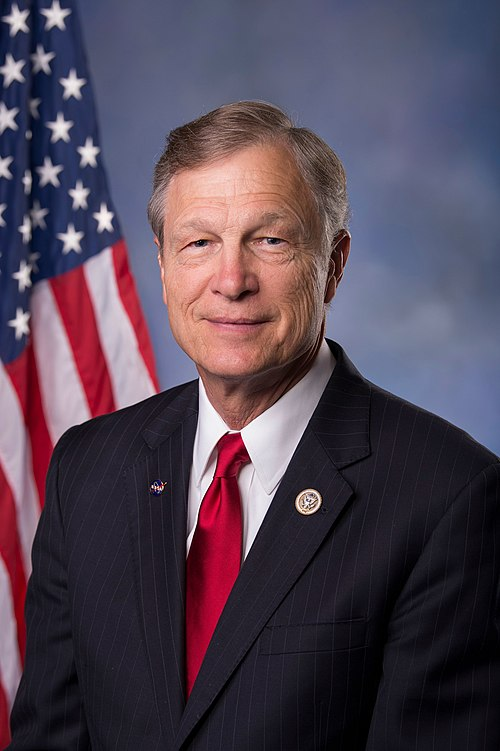
Co-Sponsor
-
TrackJames R. Baird
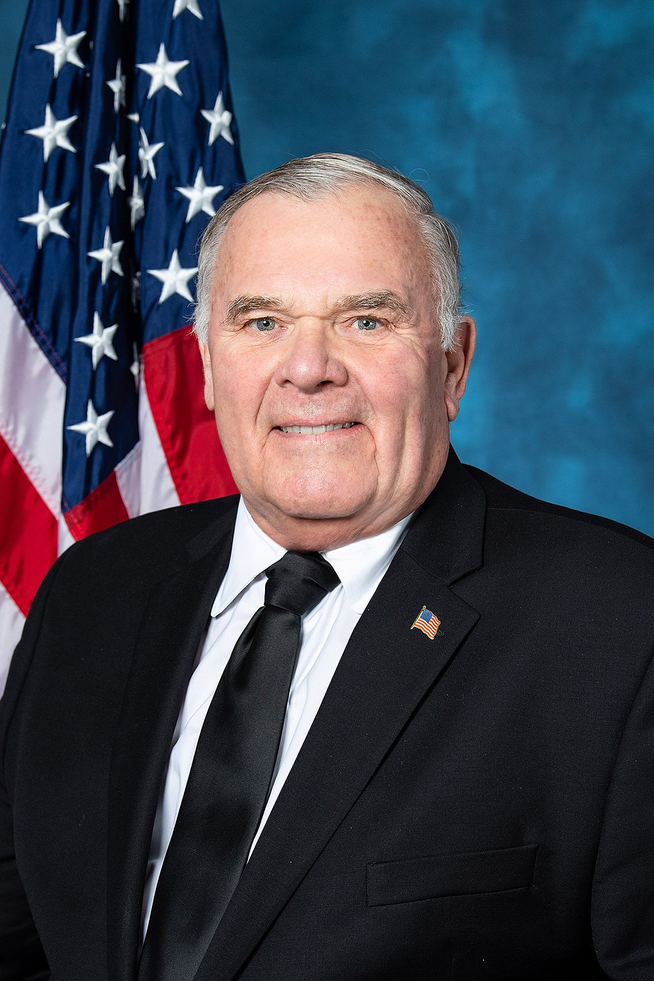
Co-Sponsor
-
TrackStephanie I. Bice
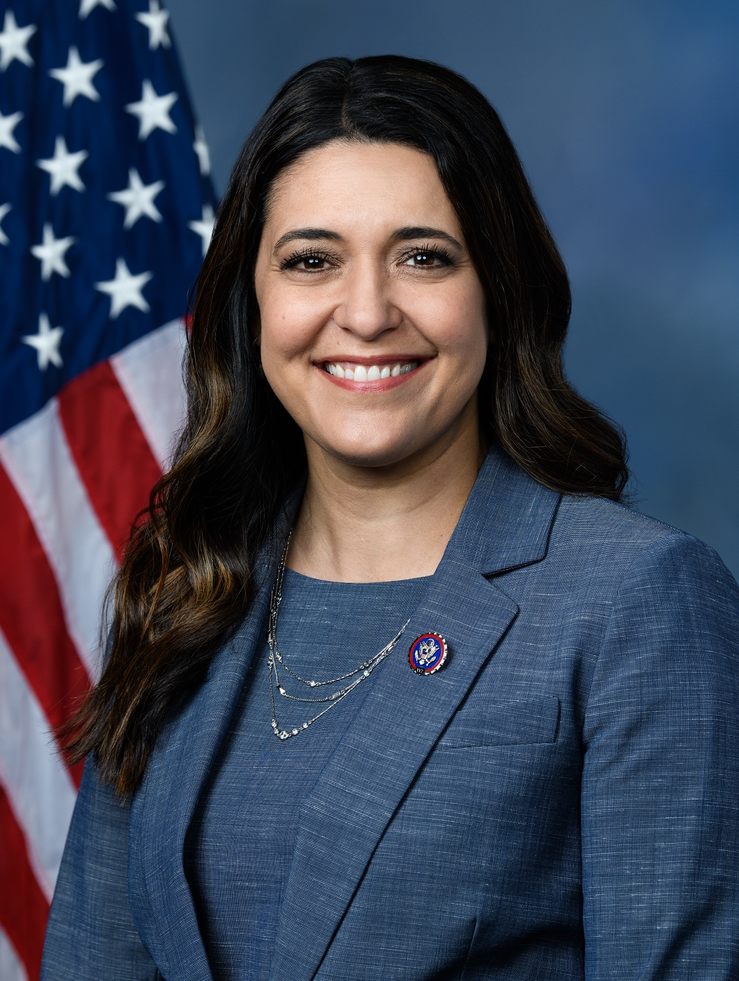
Co-Sponsor
-
TrackSheri Biggs
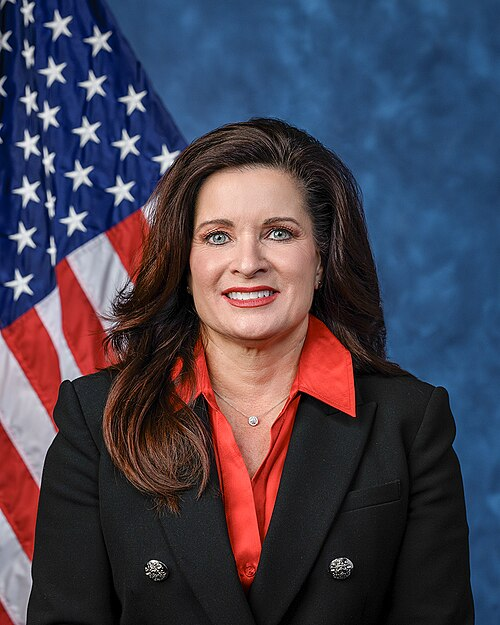
Co-Sponsor
-
TrackJosh Brecheen
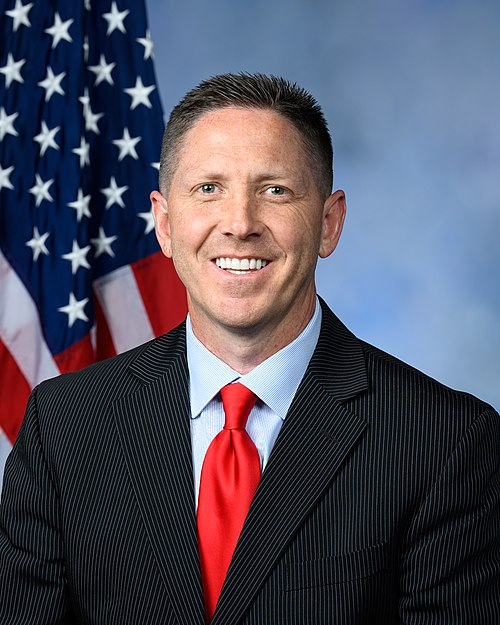
Co-Sponsor
-
TrackElijah Crane

Co-Sponsor
-
TrackPat Harrigan
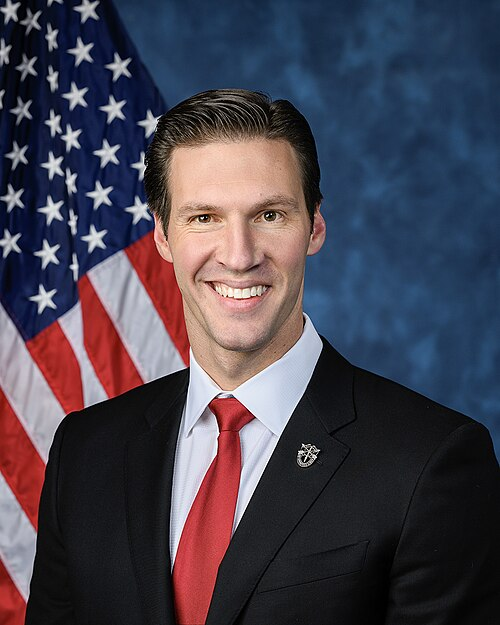
Co-Sponsor
-
TrackMark Harris
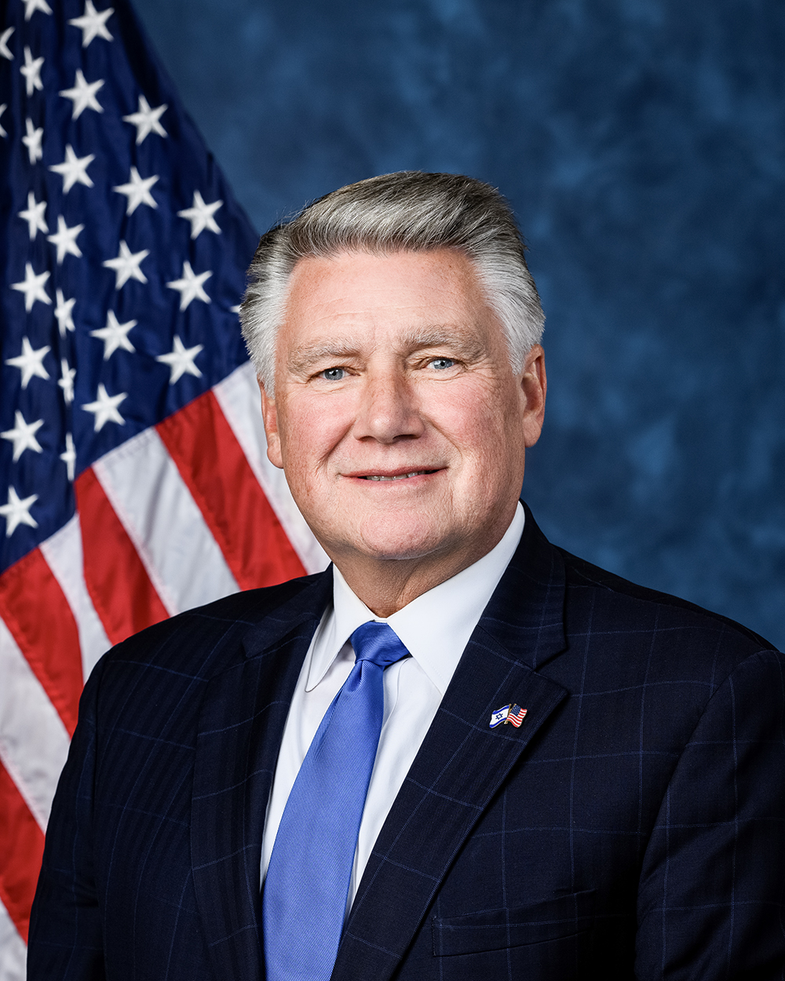
Co-Sponsor
-
TrackAndy Harris
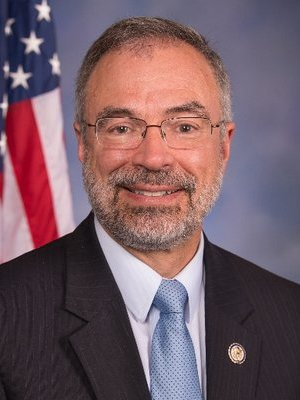
Co-Sponsor
-
TrackDiana Harshbarger
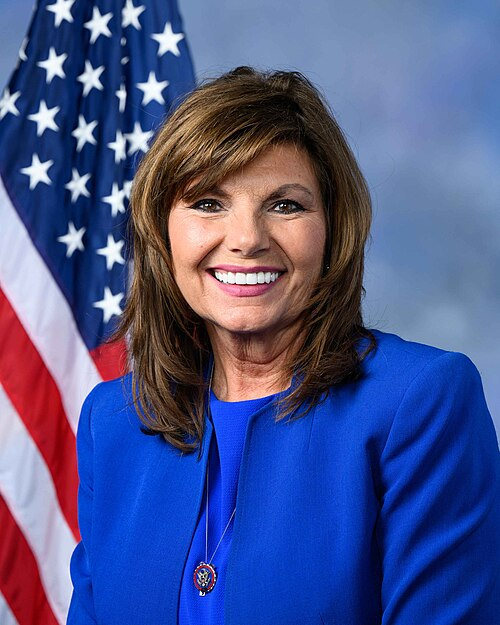
Co-Sponsor
-
TrackMike Kennedy
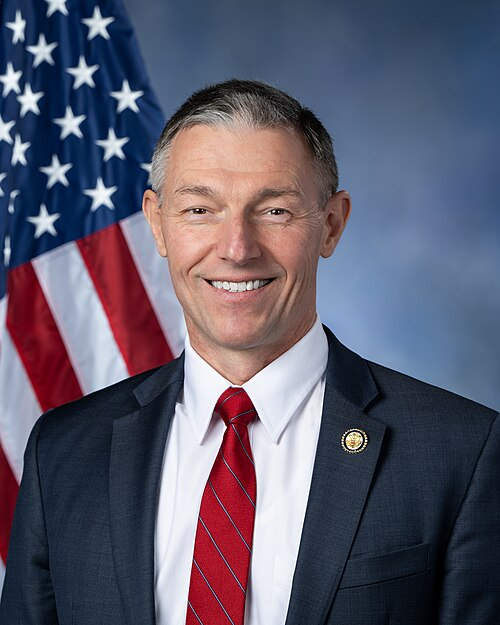
Co-Sponsor
-
TrackDoug LaMalfa
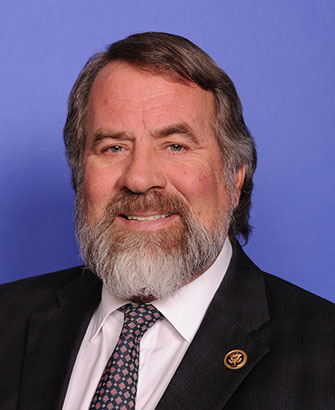
Co-Sponsor
-
TrackCarol D. Miller
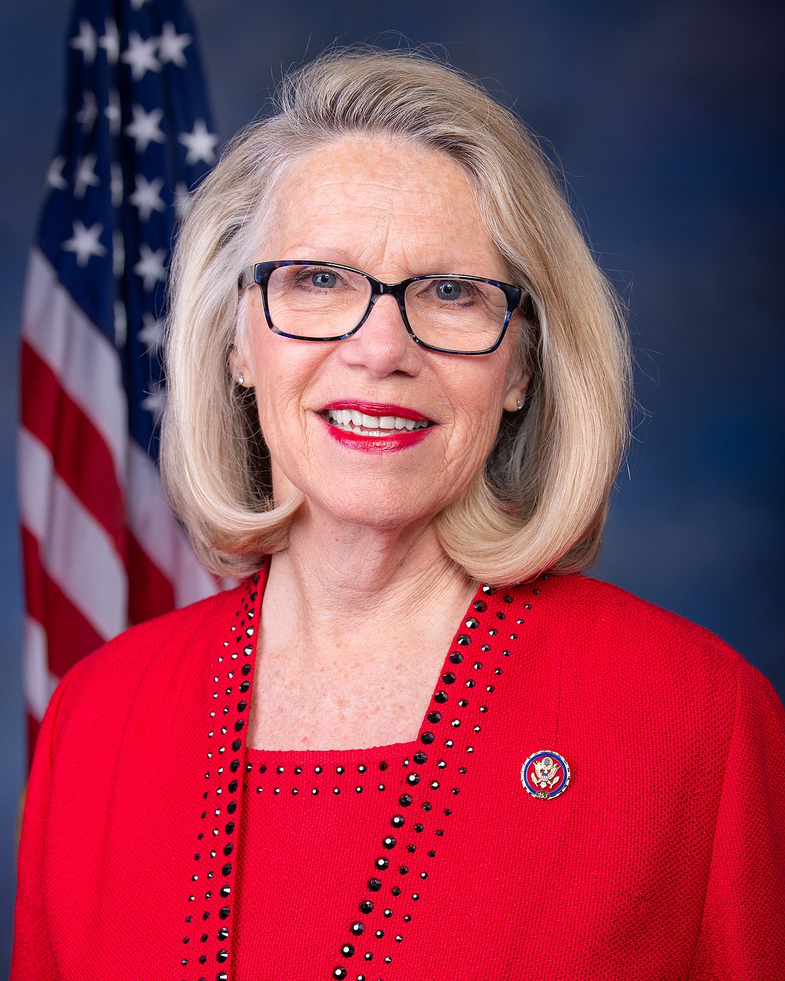
Co-Sponsor
-
TrackBlake D. Moore
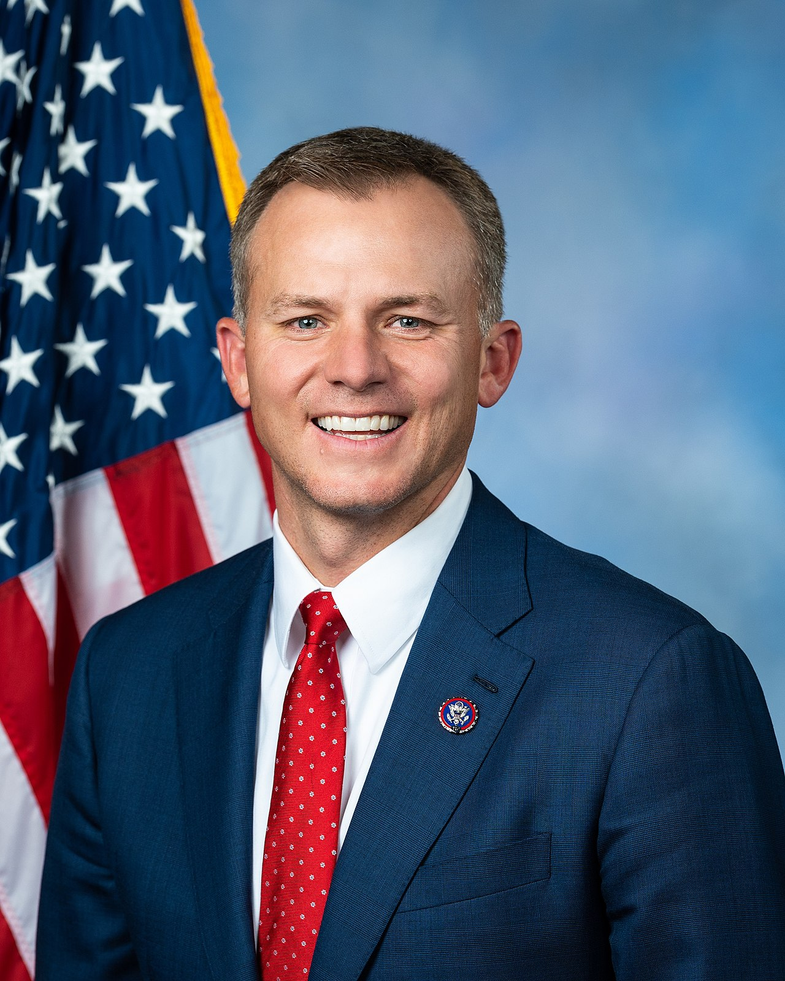
Co-Sponsor
-
TrackBarry Moore
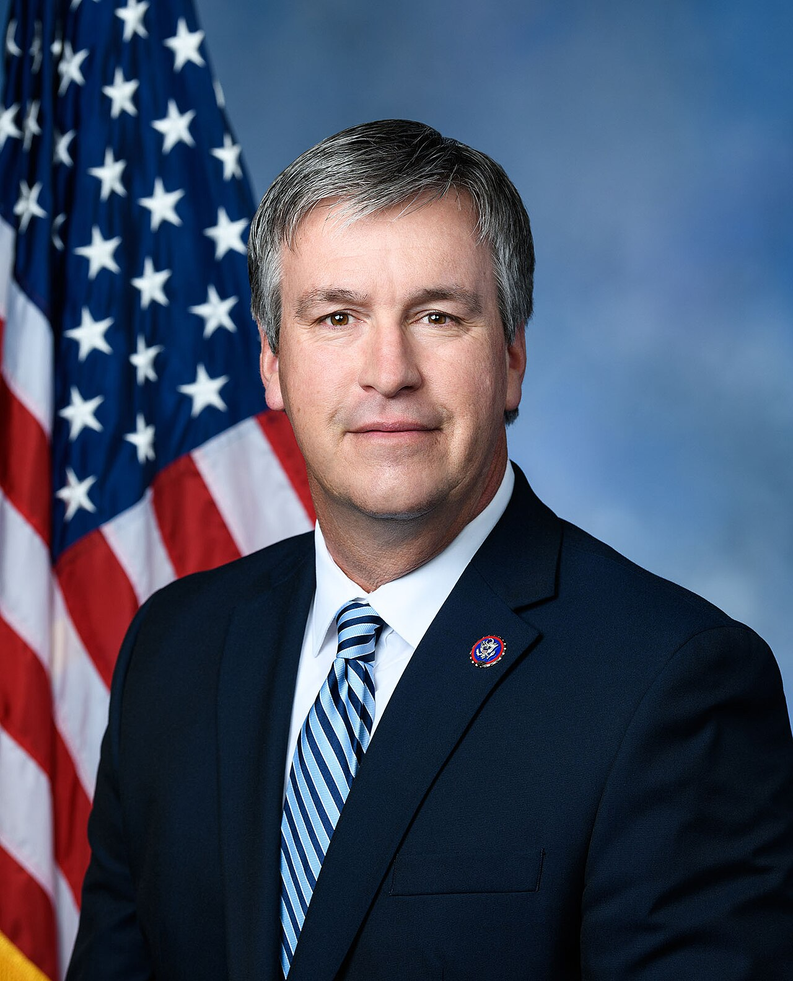
Co-Sponsor
-
TrackRalph Norman
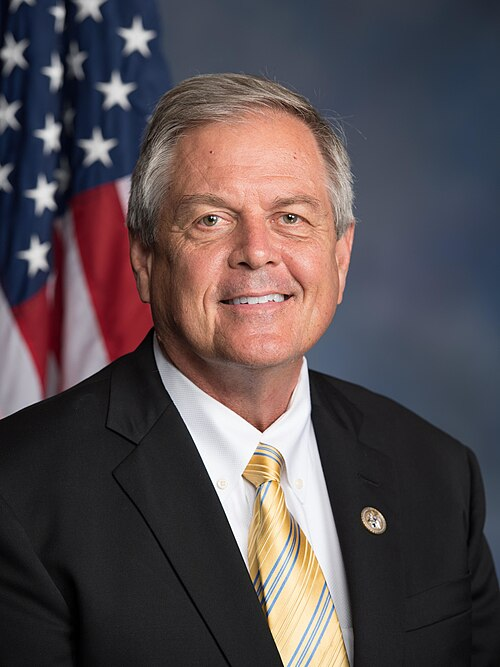
Co-Sponsor
-
TrackAndrew Ogles
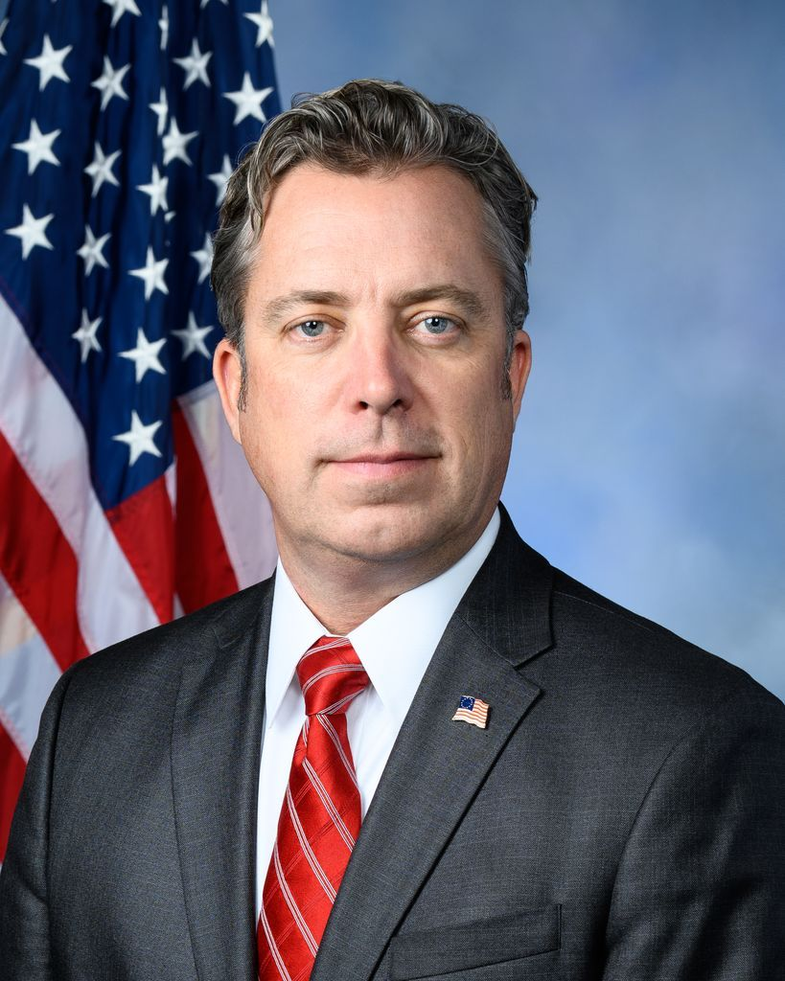
Co-Sponsor
-
TrackBurgess Owens
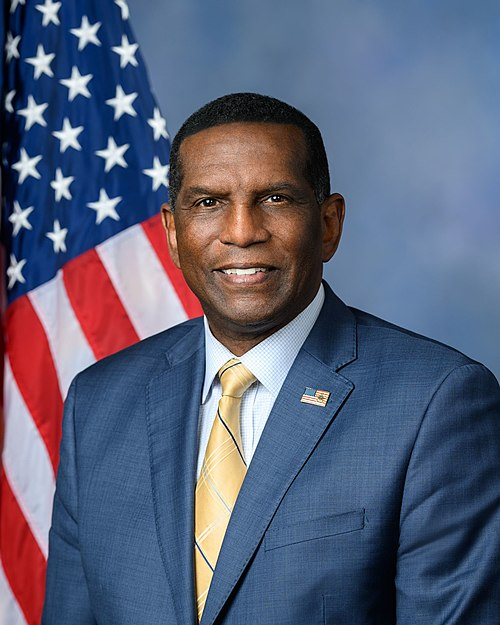
Co-Sponsor
-
TrackJohn W. Rose
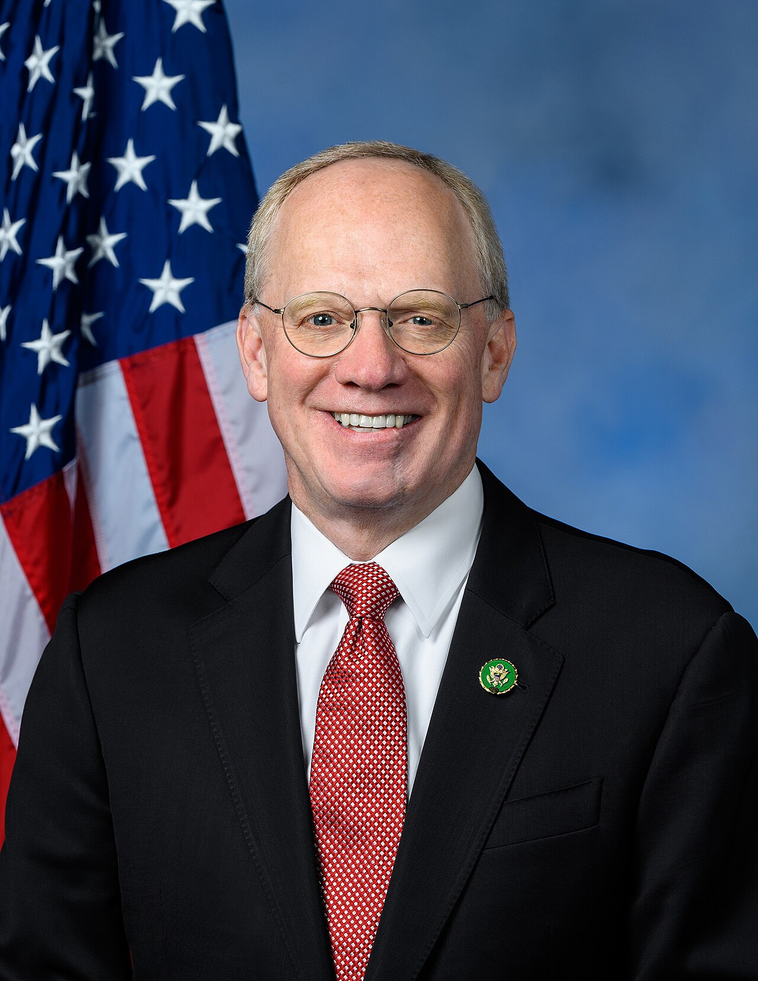
Co-Sponsor
-
TrackAustin Scott
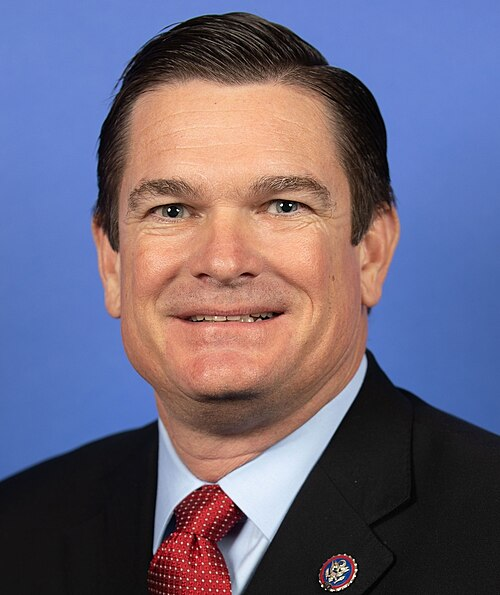
Co-Sponsor
-
TrackKeith Self
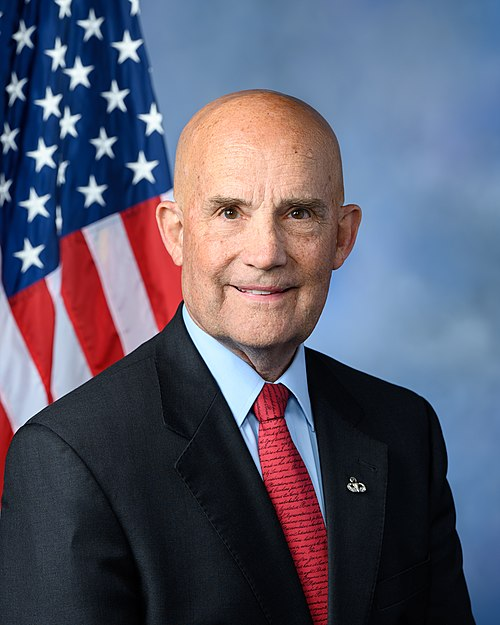
Co-Sponsor
-
TrackW. Gregory Steube
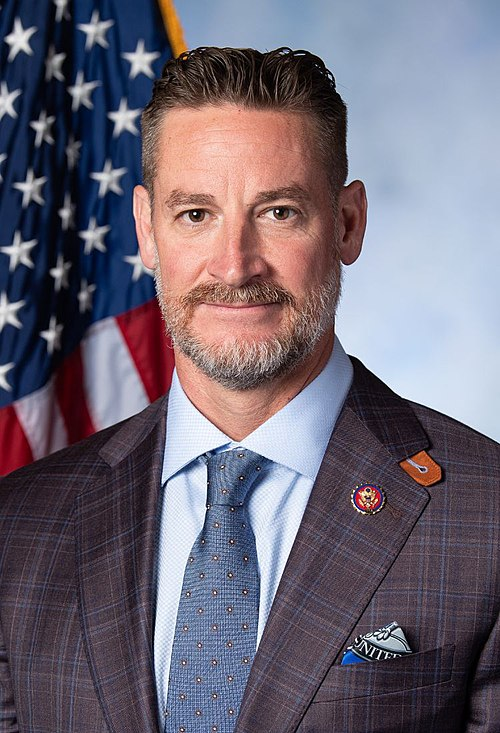
Co-Sponsor
-
TrackJefferson Van Drew
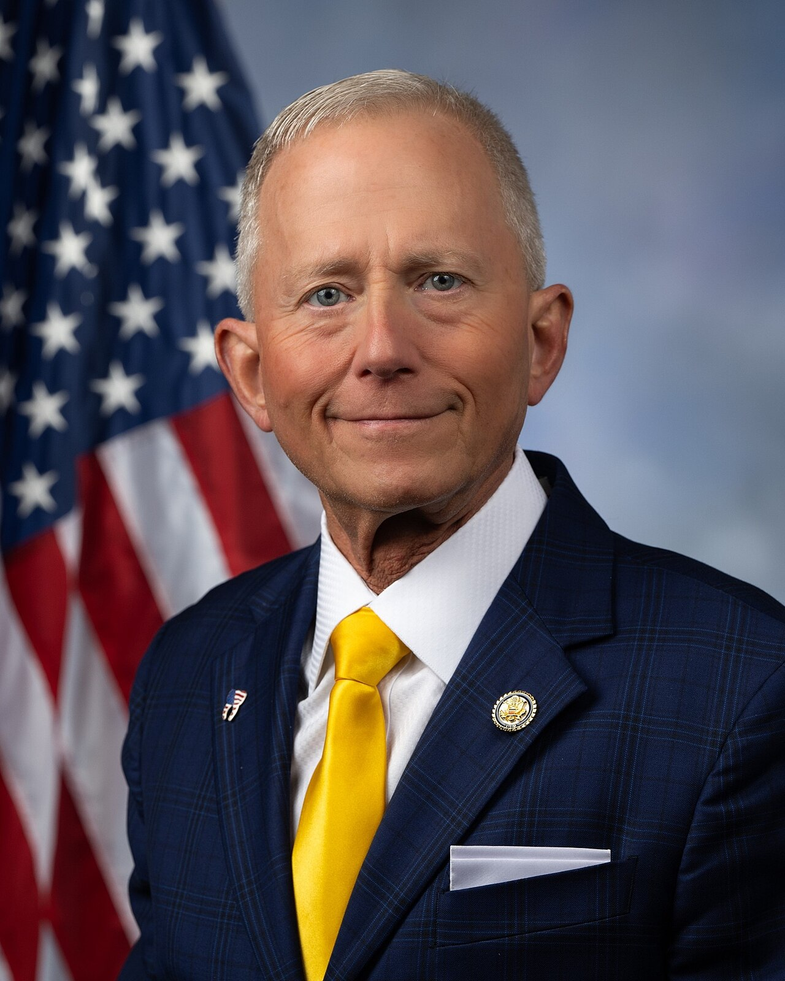
Co-Sponsor
-
TrackRandy K. Weber, Sr.
Co-Sponsor
Actions
5 actions
| Date | Action |
|---|---|
| Dec. 11, 2025 | Forwarded by Subcommittee to Full Committee in the Nature of a Substitute (Amended) by Voice Vote. |
| Dec. 11, 2025 | Subcommittee Consideration and Mark-up Session Held |
| Feb. 26, 2025 | Introduced in House |
| Feb. 26, 2025 | Referred to the House Committee on Energy and Commerce. |
| Feb. 26, 2025 | Referred to the Subcommittee on Commerce, Manufacturing, and Trade. |
Corporate Lobbying
1 company lobbying